
Beginning August 1, 2025, USA Hockey requires all players under 18 to wear certified neck laceration protection during sanctioned games.
For most parents, that means searching for one thing: a neck guard that is USA Hockey compliant.
But here’s the reality many families don’t realize.
Two neck guards can both meet the USA Hockey compliance requirement while offering very different levels of protection.
That’s because certification standards establish a minimum safety threshold, not the highest level of protection available.
If you're trying to choose the best neck guard for USA Hockey compliance, it’s important to understand three things:
-
What HECC certification actually means
-
Why cut resistance levels vary between products
-
What features truly define elite protection
The USA Hockey neck guard rule (2025)
USA Hockey now requires HECC-certified neck laceration protection for youth players.
The Hockey Equipment Certification Council (HECC) is the independent organization responsible for certifying hockey equipment used in:
-
USA Hockey
-
NFHS high school play
-
NCAA competition
In 2025, HECC launched a new certification program specifically for neck laceration protectors to raise safety standards across the sport.
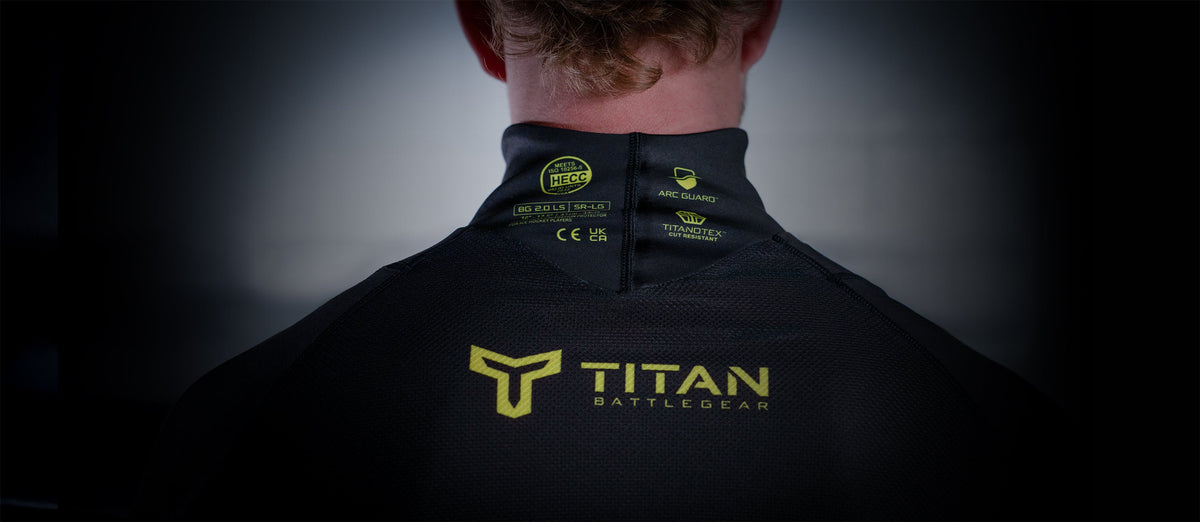
Products must now pass testing under ISO 10256-5, an international safety standard for hockey protective equipment.
Testing and validation are performed through approved certification bodies such as CSA Group.
Once certified, the product receives the official HECC certification mark, confirming it meets USA Hockey’s compliance requirement.
Why compliance is only the starting point
HECC certification plays a critical role in player safety.
It ensures that products meet baseline performance and manufacturing standards designed to protect players from serious injury.
But like most safety certifications, the standard is pass/fail.
That means certification answers one question: does this product meet the minimum safety requirement?
It does not answer another important question: how much protection does it actually provide compared to other products?
This creates what safety experts often call a compliance gap.
Multiple neck guards may be certified, but their real-world performance can still vary significantly depending on the materials and design used.
Cut protection isn’t binary; it’s a spectrum
One of the most important factors in neck protection is cut resistance strength.
In North America, cut resistance is measured using the ANSI cut resistance scale, which ranges from A1 (lowest protection) to A9 (highest protection).
Here’s how those levels compare:
|
ANSI Level |
Protection Grade |
Relative Cut Resistance |
|
A1–A3 |
Basic |
Low cut resistance |
|
A4–A5 |
Moderate |
Moderate cut resistance |
|
A6–A7 |
High |
High cut resistance |
|
A8–A9 |
Elite |
Maximum level of cut resistance under ANSI testing |
For context:
-
A cotton t-shirt can test around A2
-
Denim jeans can test near A4
Many neck guards that meet baseline certification requirements fall within the A2–A4 range.
That means they technically meet safety standards but may offer far less cut resistance than modern materials are capable of providing.
The most advanced protective fabrics today reach ANSI A8 or A9 levels, representing dramatically higher resistance to skate blade cuts.
🔗 Read more about ANSI cut ratings here.
Why coverage matters just as much as material strength
Cut resistance alone isn’t enough.
For neck protection to work effectively, the gear must also cover the critical areas of the neck, including:
-
the carotid arteries
-
the jugular veins
-
the front and sides of the throat
Some traditional neck guards rely on Velcro closures or loose collars, which can shift during gameplay.
When protection moves out of position, gaps can appear around the neck – exactly where protection is needed most.
The best neck protection systems combine high cut resistance materials with designs that stay aligned with the player’s body throughout the game.
Comfort determines whether protection actually works
There’s another reality about youth hockey equipment that certification tests can’t measure:
If kids won’t wear it properly, it won’t protect them.
Traditional neck guards often create problems such as:
-
bulky collars that restrict movement
-
Velcro closures that irritate the skin or snag in equipment bags
-
materials that bunch up around the neckline
-
constant adjustments during play
When equipment is uncomfortable, young players frequently loosen or reposition it, reducing the protection it was designed to provide.
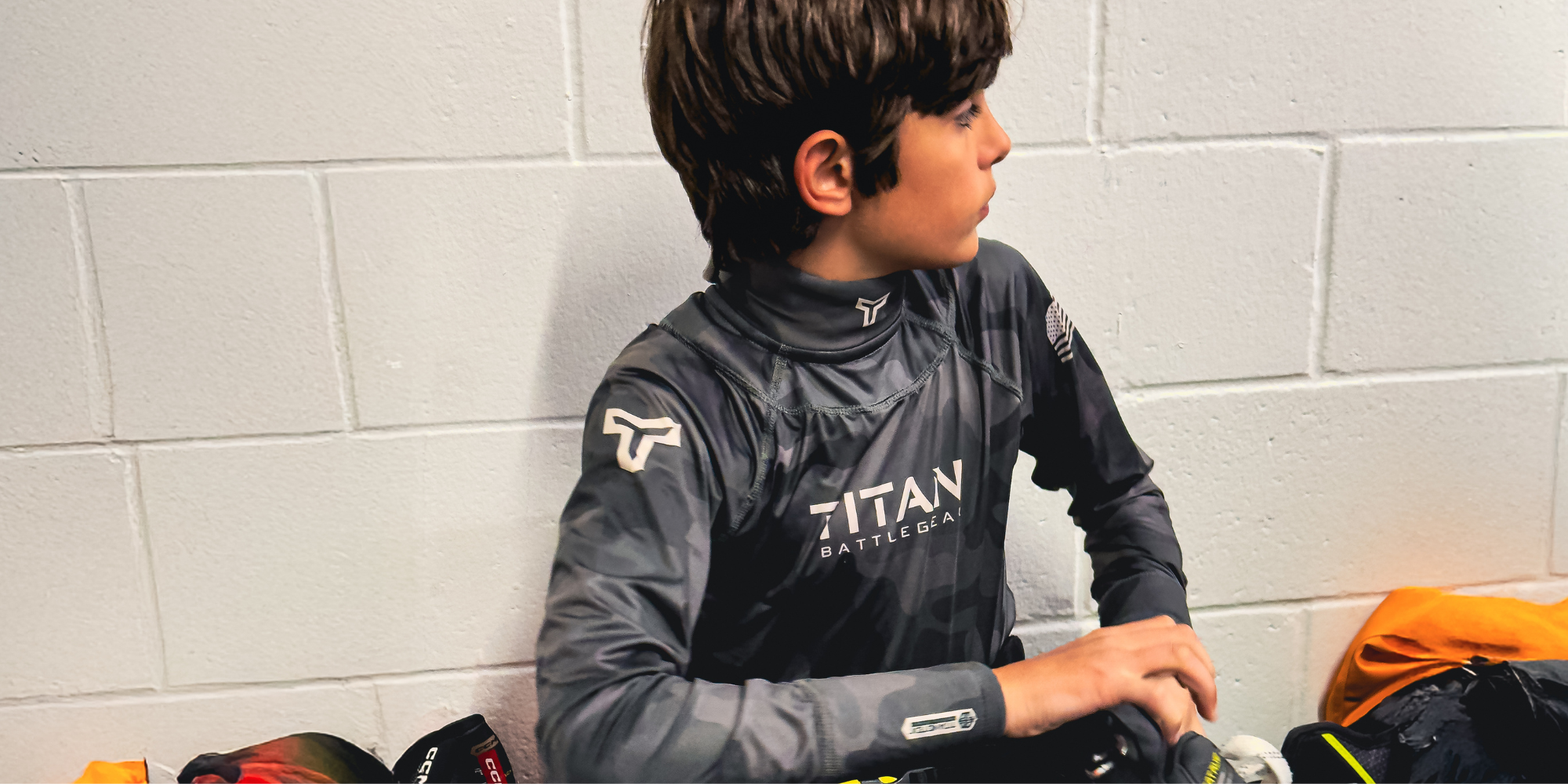
Modern neck protection systems increasingly focus on integrated designs (with neck and wrist protection built in) and performance fabrics that allow players to wear protection naturally without distraction.
How to choose the best neck guard for USA Hockey compliance
If you want the best neck guard for USA Hockey compliance, look for products that go beyond the minimum requirement.
The strongest protective systems typically provide:
1. HECC certification
Ensures the product meets the official USA Hockey rule and has passed standardized testing.
2. High cut resistance materials
Look for ANSI cut resistance levels of A6 or higher, with A8–A9 representing elite protection.
3. Secure, no-gap fit
Protection should remain aligned with the neck during play.
4. Full coverage of vulnerable areas
Effective designs protect the carotid arteries, jugular veins, and throat without leaving exposed gaps.
5. Comfort and mobility
Players are far more likely to wear protective gear properly if it feels natural during gameplay.
Titan BattleGear: certified protection built for real hockey
Titan BattleGear is HECC certified, meeting USA Hockey’s compliance requirements for youth play.
Beyond certification, Titan products are engineered to deliver higher levels of protection using advanced materials and design.
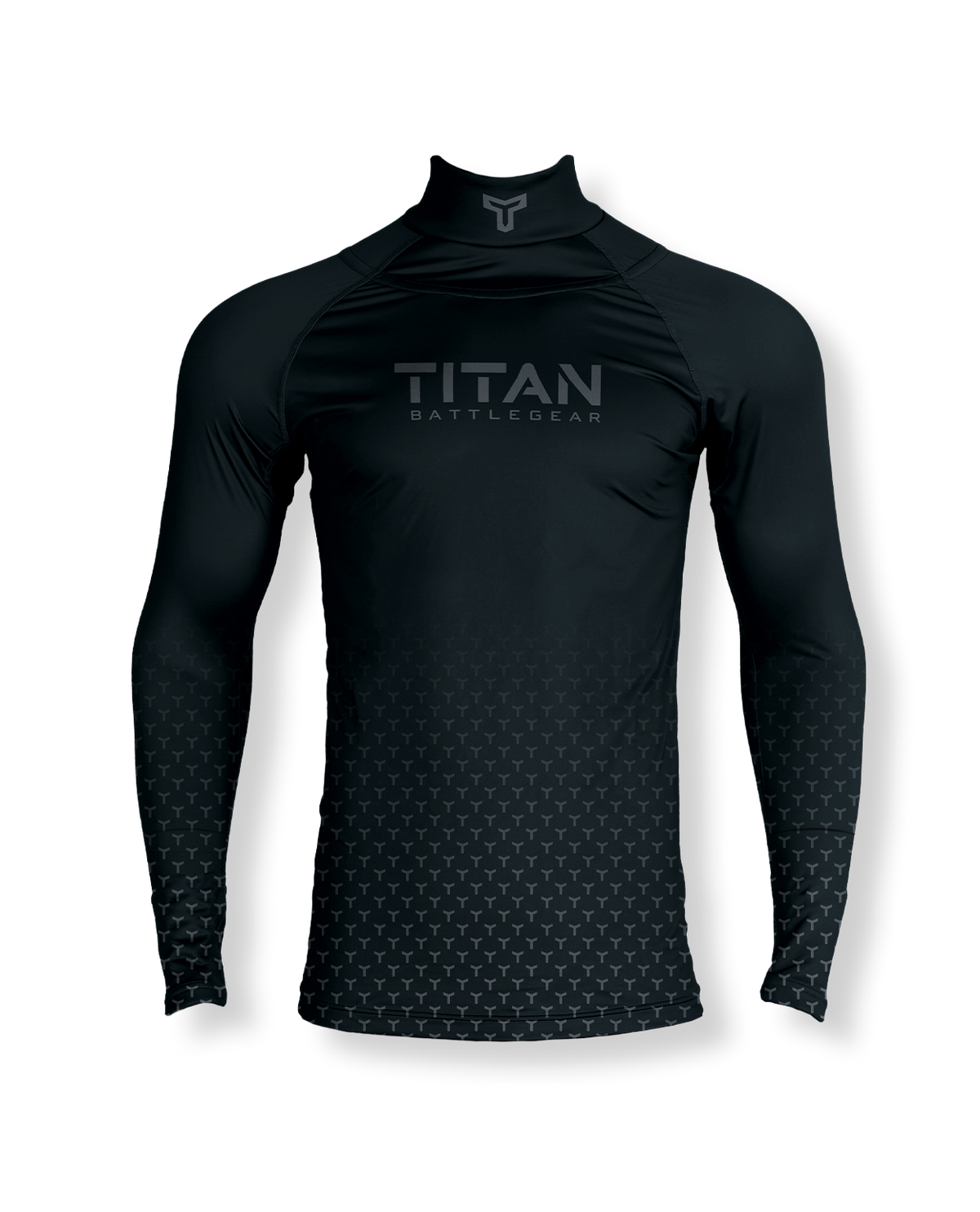
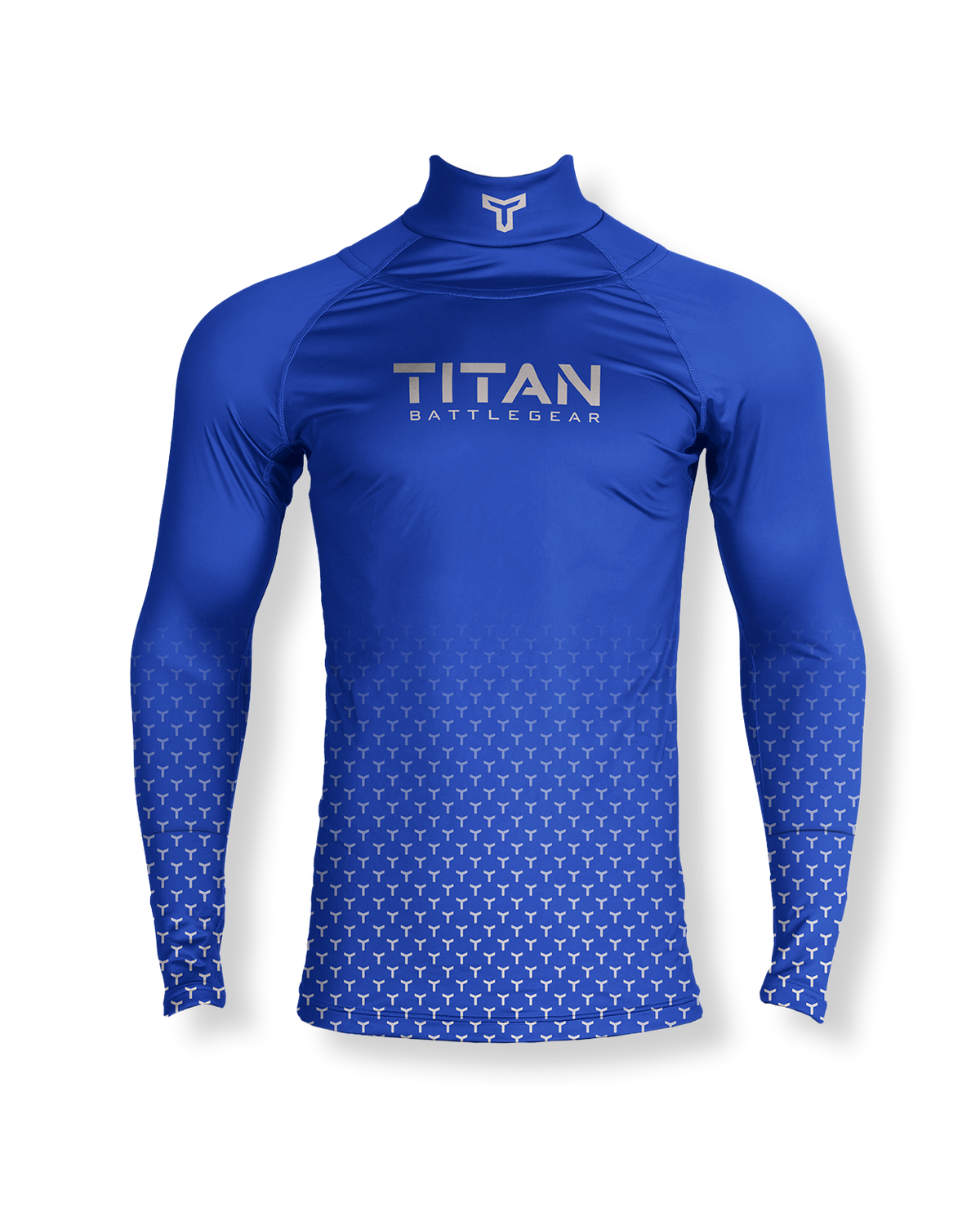
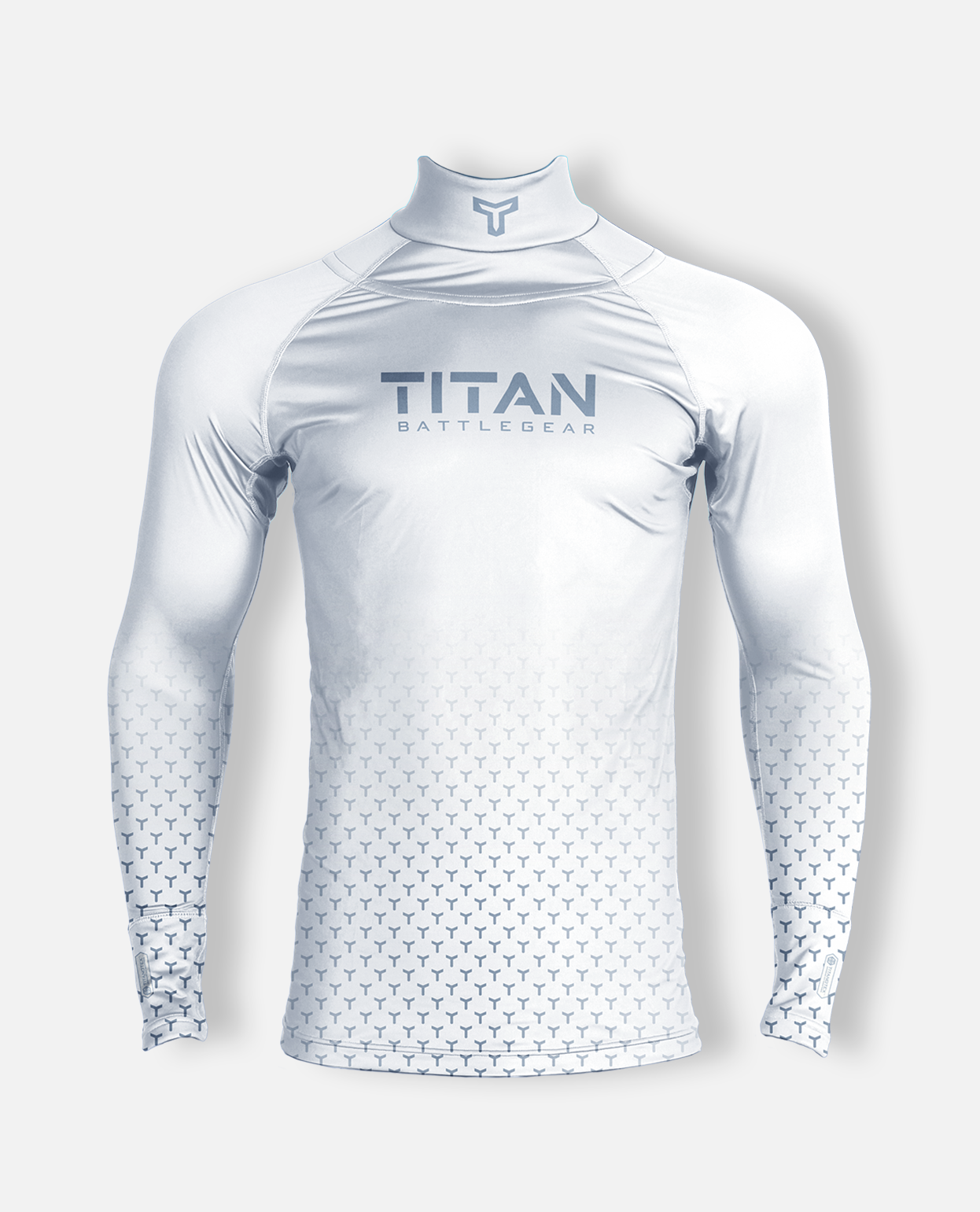
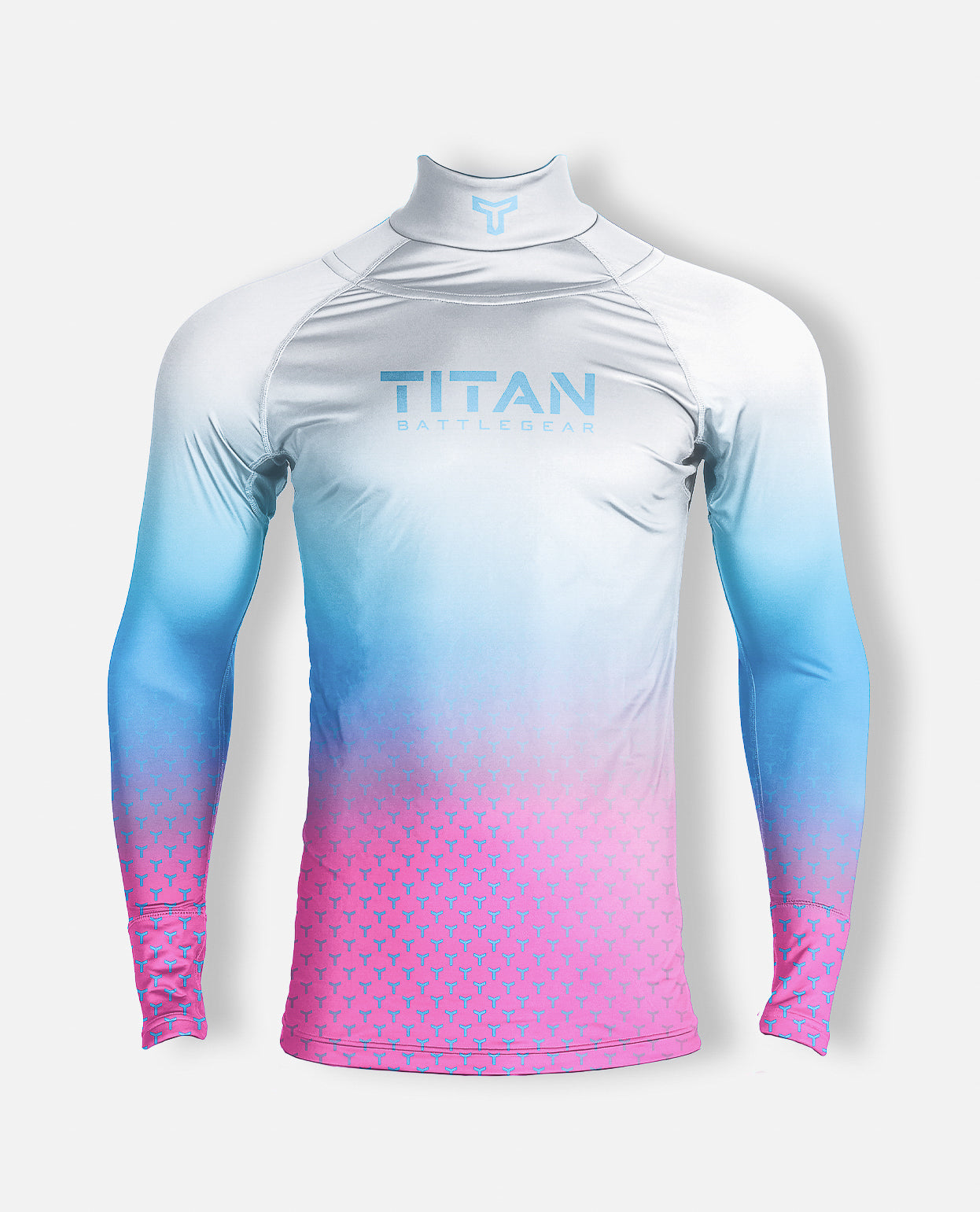
Titan cut-resistant baselayer shirts feature:
-
Titanotex™ fabric with ANSI A9 cut resistance
-
Patent-pending ArcGuard™ neck protection technology
-
Stretch ProCurve™ collar design for comfort and mobility
-
Integrated protection that stays aligned during play
Rather than simply meeting the rule, Titan focuses on delivering the highest level of protective performance available in hockey apparel today.
The bottom line
USA Hockey’s new rule requiring HECC-certified neck protection is an important step forward for player safety.
But certification represents the minimum requirement – not the maximum level of protection available.
When choosing the best neck guard for USA Hockey compliance, look for products that combine:
-
HECC certification
-
high cut resistance materials
-
full neck coverage
-
a secure and comfortable design
Because when it comes to protecting young hockey players from skate blade injuries, the best protection goes beyond simply meeting the rule.