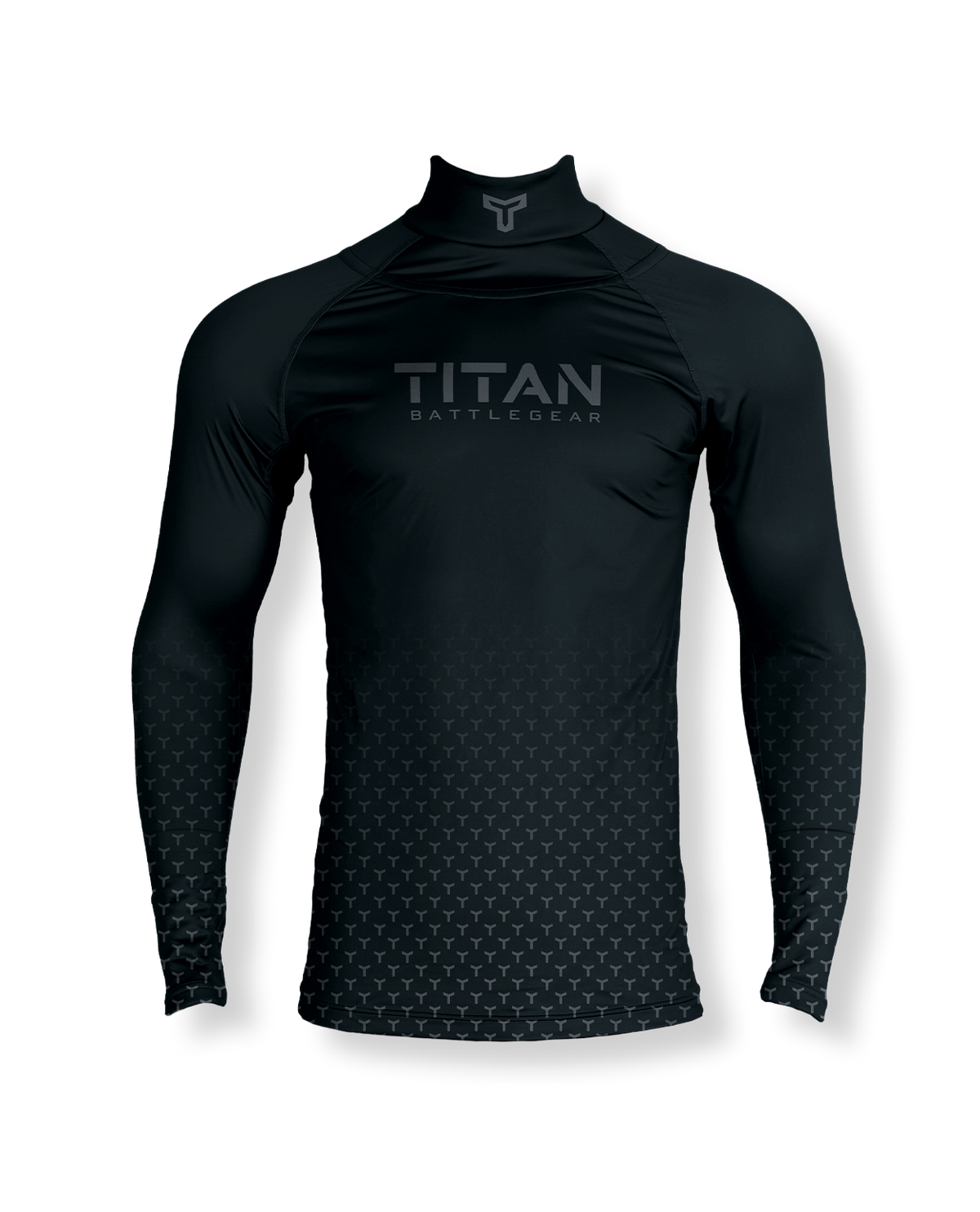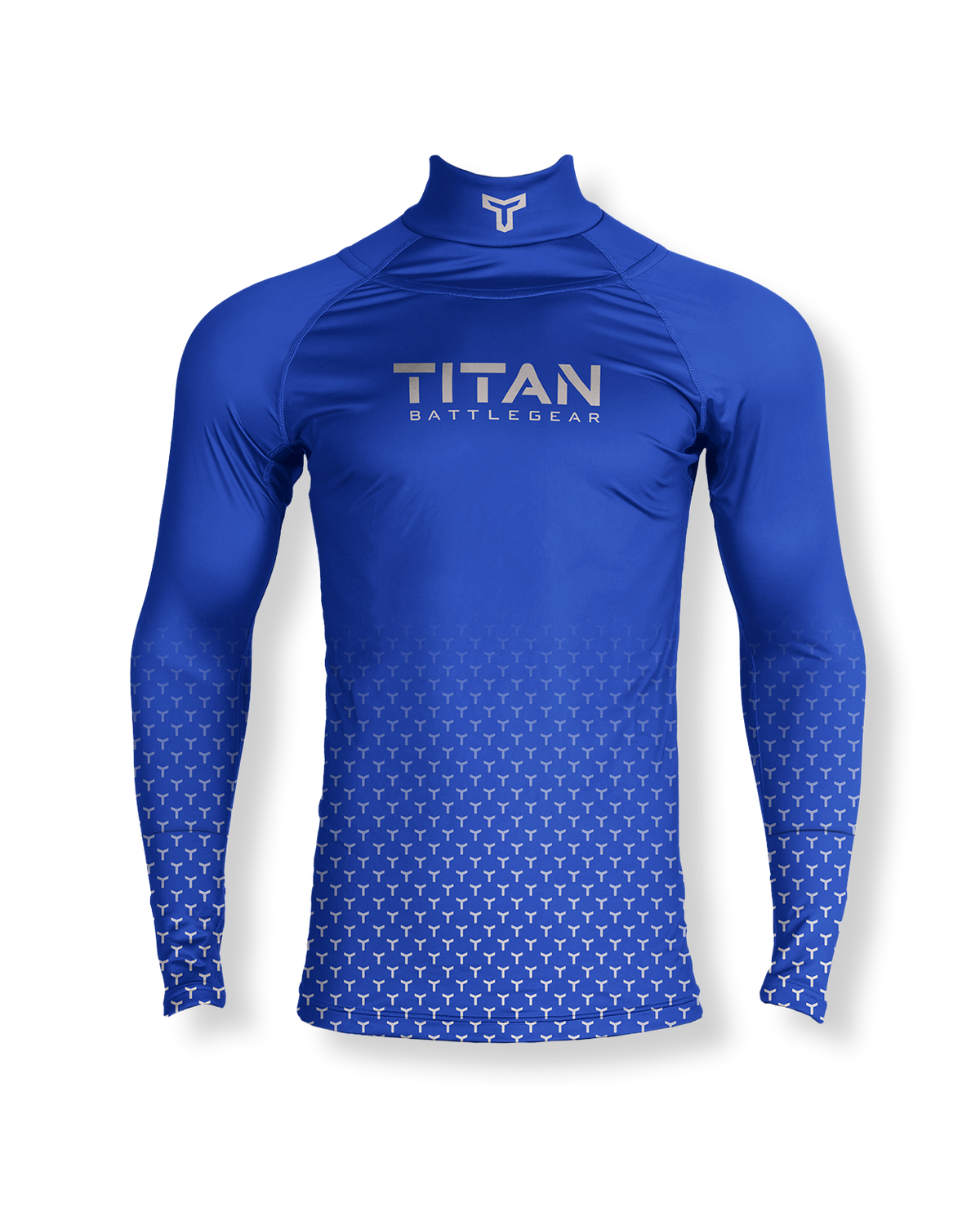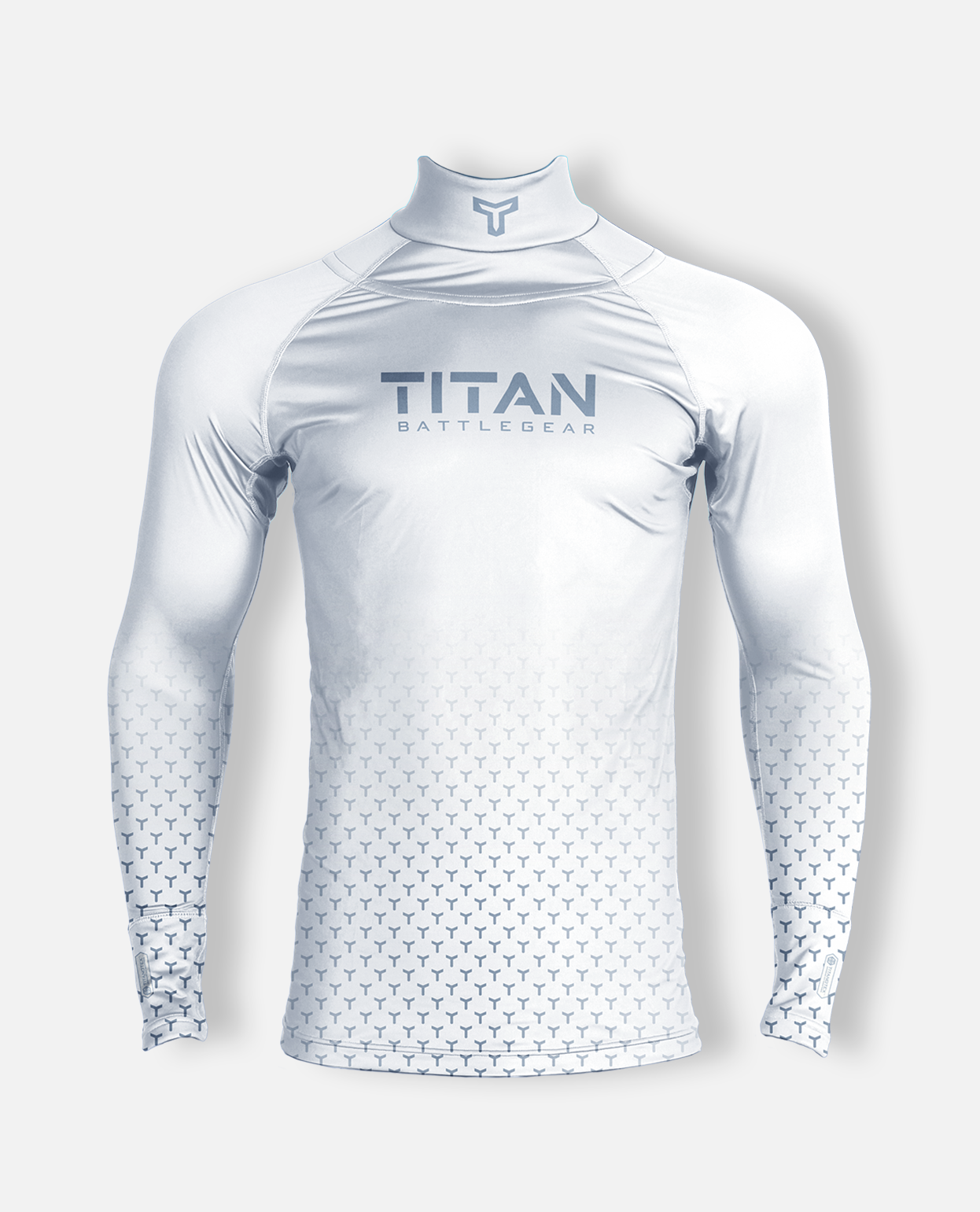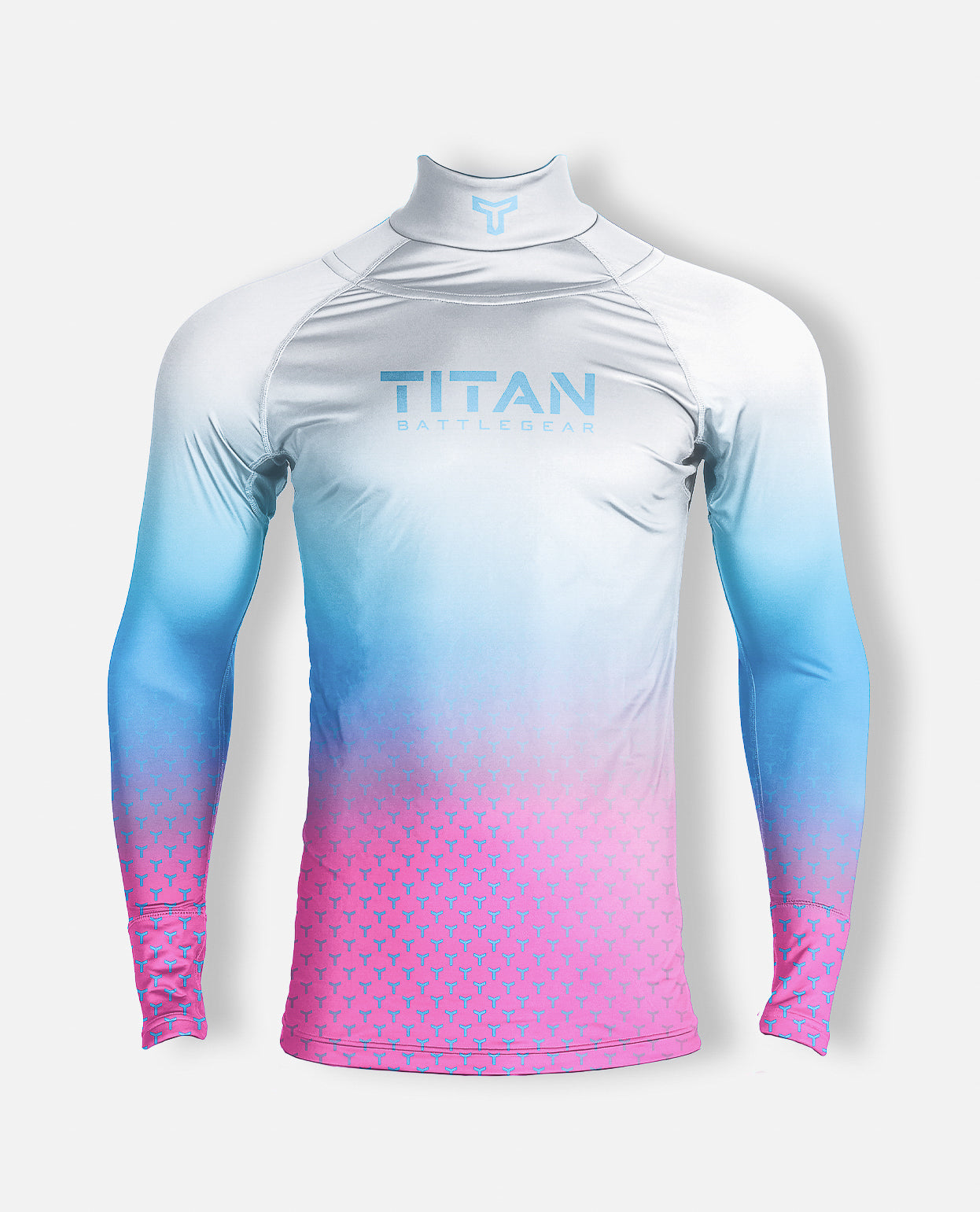


When parents shop for hockey neck protection, most assume the products on the shelf offer roughly the same level of safety.
After all, they’re sold by the biggest brands in the sport, they carry safety labels, and they’re approved for youth leagues.
So it’s easy to assume they must all work.
But the reality is very different.
The level of cut resistance between hockey neck guard shirts varies dramatically, and many products on the market provide far less protection than parents expect. Some offer protection levels barely stronger than everyday clothing.
Understanding how cut resistance actually works – and how different shirts are built – is the key to choosing gear that truly protects your player.
The two factors that determine real protection
A cut-resistant hockey shirt is only effective when two things work together:
1. Cut resistance strength
2. Coverage of vulnerable areas
If either one falls short, the protection fails.
You can have the strongest fabric in the world, but if it doesn’t cover the critical areas of the neck, protection is incomplete.
On the other hand, full coverage with weak material offers little resistance against a sharpened skate blade.
Real protection requires both high cut resistance and proper coverage.
Understanding the ANSI cut resistance scale
Cut resistance in protective fabrics is measured using the ANSI cut resistance scale, which ranges from A1 to A9.
-
A1–A2: Minimal protection
-
A3–A4: Moderate resistance similar to everyday heavy fabrics
-
A5–A7: High-performance industrial cut resistance
-
A8–A9: Maximum cut resistance designed for extreme environments
Here’s the surprising part: many hockey neck guard shirts meet certification requirements with A2 or A3 protection.
 To put that in perspective:
-
A cotton t-shirt can test around A2
-
Denim jeans can test around A4
That means many products marketed as “cut resistant” are offering only minimal cut resistance.
🔗 Read more about ANSI cut levels here.
The false sense of security problem
The biggest risk with many neck guard shirts isn’t that they provide zero protection.
It’s that they create the illusion of serious protection while delivering very little real resistance to a skate blade.
Independent testing over the years has shown that a significant number of commercially available neck guards struggle to withstand the types of forces that occur during real hockey play.
The game itself has also evolved.
Players are:
-
Faster
-
Stronger
-
Skating on sharper blades than ever before
As speed and physicality increase, the demands on protective equipment increase as well.
Gear that barely meets minimum standards may no longer be enough.
Why coverage matters just as much as material
Material strength alone doesn’t solve the problem.
Protection must also cover the areas most vulnerable to skate blade contact, including:
-
The carotid artery
-
The jugular vein
-
The front and sides of the neck
-
The wrists, where lacerations are also common
Traditional neck guards and many mass-market shirts often leave gaps in protection or rely on small velcro closures that can shift during play.
When protection moves, coverage disappears.
Modern integrated systems are designed to solve this by building the protective collar directly into the base layer, ensuring the protection moves with the player’s body rather than shifting independently.
Comfort determines whether protection actually works
Even the strongest protective gear fails if players don’t wear it correctly.
Many traditional neck guards struggle with:
-
Bulky collars
-
Paper-thin fabrics
-
Velcro closures that irritate the skin and snag the hair
-
Poor breathability during intense shifts
When gear is uncomfortable, players constantly adjust it or remove it entirely.
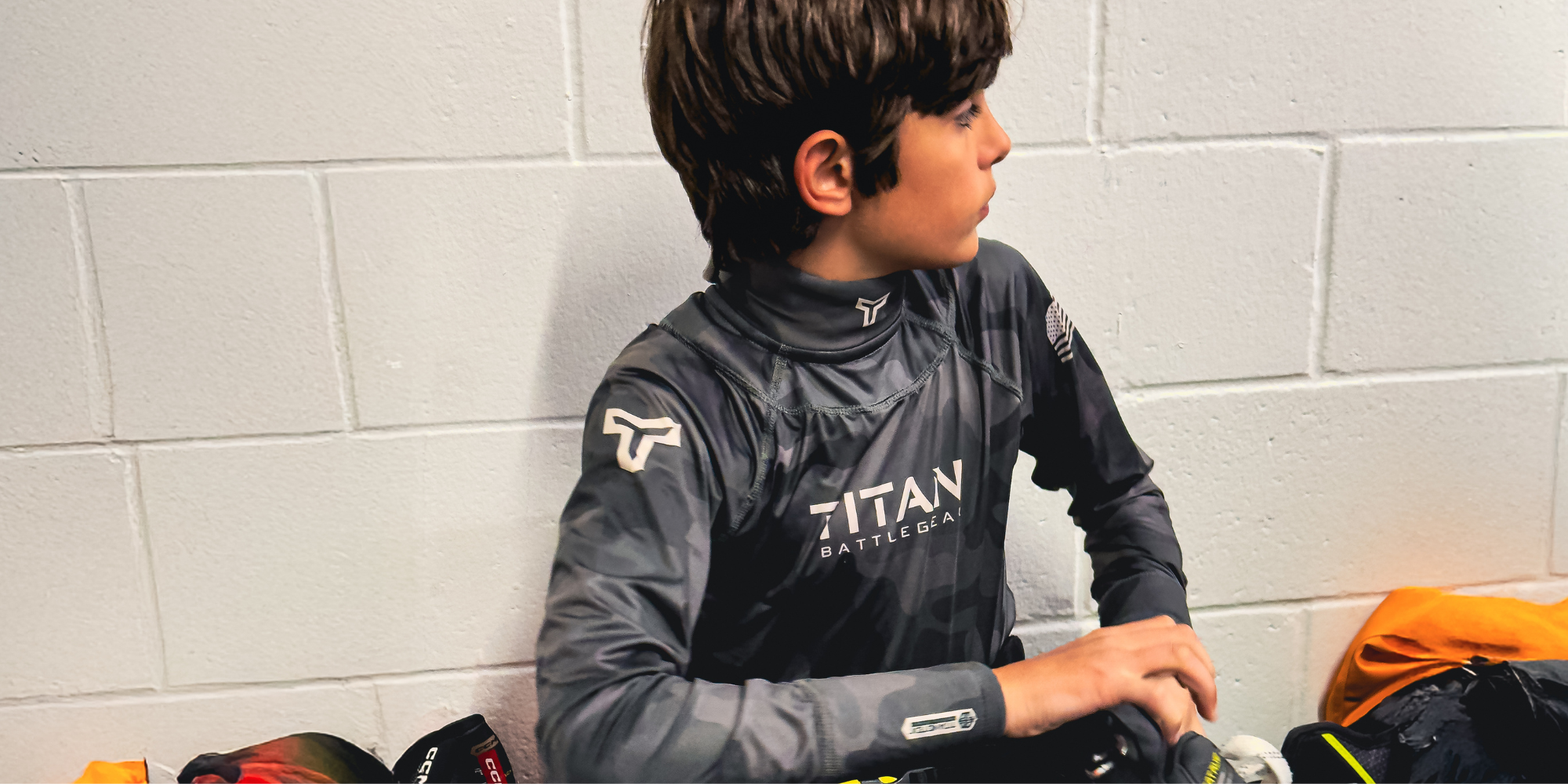
Modern cut-resistant shirts are designed like performance compression gear, using stretch fabrics, moisture-wicking materials, and ergonomic collars that move naturally with the player.
The goal is simple: protection that players forget they’re wearing.
The new standard for hockey cut protection
A new generation of hockey safety gear has emerged that goes far beyond minimum certification standards.
Brands like Titan BattleGear are designing base layers specifically to solve the weaknesses found in traditional neck guards.
Titan shirts feature:
-
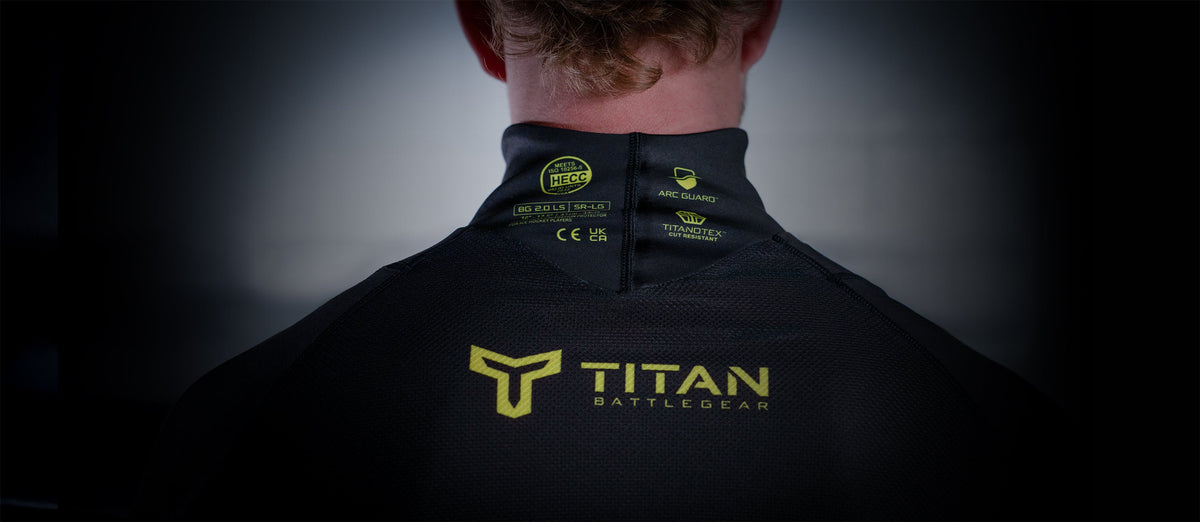
Titanotex™ fabric with A9 ANSI cut resistance, the highest level available
-
Patent-pending ArcGuard™ technology for reinforced neck protection
-
Stretch ProCurve™ collar design for comfort and mobility
-
Integrated wrist protection for additional coverage
Instead of treating neck protection like a basic apparel accessory, Titan engineered its gear as serious protective equipment built for real hockey conditions.
The bottom line for hockey parents
When choosing a cut-resistant hockey shirt, the most important question isn’t simply whether it’s certified.
It’s how much protection it actually delivers.
Look for products that provide:
-
High ANSI cut resistance
-
Full coverage of vulnerable areas
-
Integrated designs that stay in position during play
-
Comfortable construction that players will actually wear
Because when it comes to protecting your player, the safest gear should never be the bare minimum.