

If you care about hockey safety, whether you are a player, coach, parent, or equipment decision-maker, there is one fact you need to understand:
Not all neck guards actually stop a skate blade.
And the data proves it.
What the Mayo Clinic discovered
In tests conducted by the Mayo Clinic, researchers asked a simple question: can hockey neck guards stop a skate blade under real-game impact levels?
To answer it, they built a custom laceration testing machine that used a sharpened hockey skate blade to strike neck guards at controlled speeds and forces. Beneath each guard was a layer of foam designed to simulate human tissue. If the foam was cut, the guard failed.
The study tested 46 samples across 14 different neck guard products under lower force conditions of 100 to 300 Newtons and a high-impact force of 600 Newtons. The 600-Newton threshold was selected to approximate the force generated by a sharp skate blade during a high-speed on-ice collision.
Read the full test and results here.
The results were eye-opening
The Mayo Clinic testing produced clear results:
-
Most neck guards passed at lower force levels between 100 and 300 Newtons
-
At 600 Newtons, 11 of the 14 products failed
-
Only 2 products consistently prevented blade penetration
-
In failed tests, the skate blade cut through the guard and into the foam, indicating failure to protect the neck
The 600-Newton test was designed to reflect real-world hockey conditions, not edge cases.
Why this matters for cut resistance in the real world
The Mayo Clinic study did not set out to evaluate ANSI cut ratings specifically. However, the findings align closely with modern cut-resistance standards.
Products that withstood 600-Newton impacts were consistent with ANSI A6 or higher cut resistance, classified as high to extreme protection. Products that failed were generally made with lower-level materials.
The takeaway is simple: cut resistance below A6 is unlikely to provide meaningful protection against real skate blade forces.
The problem with A2/A3 neck guards
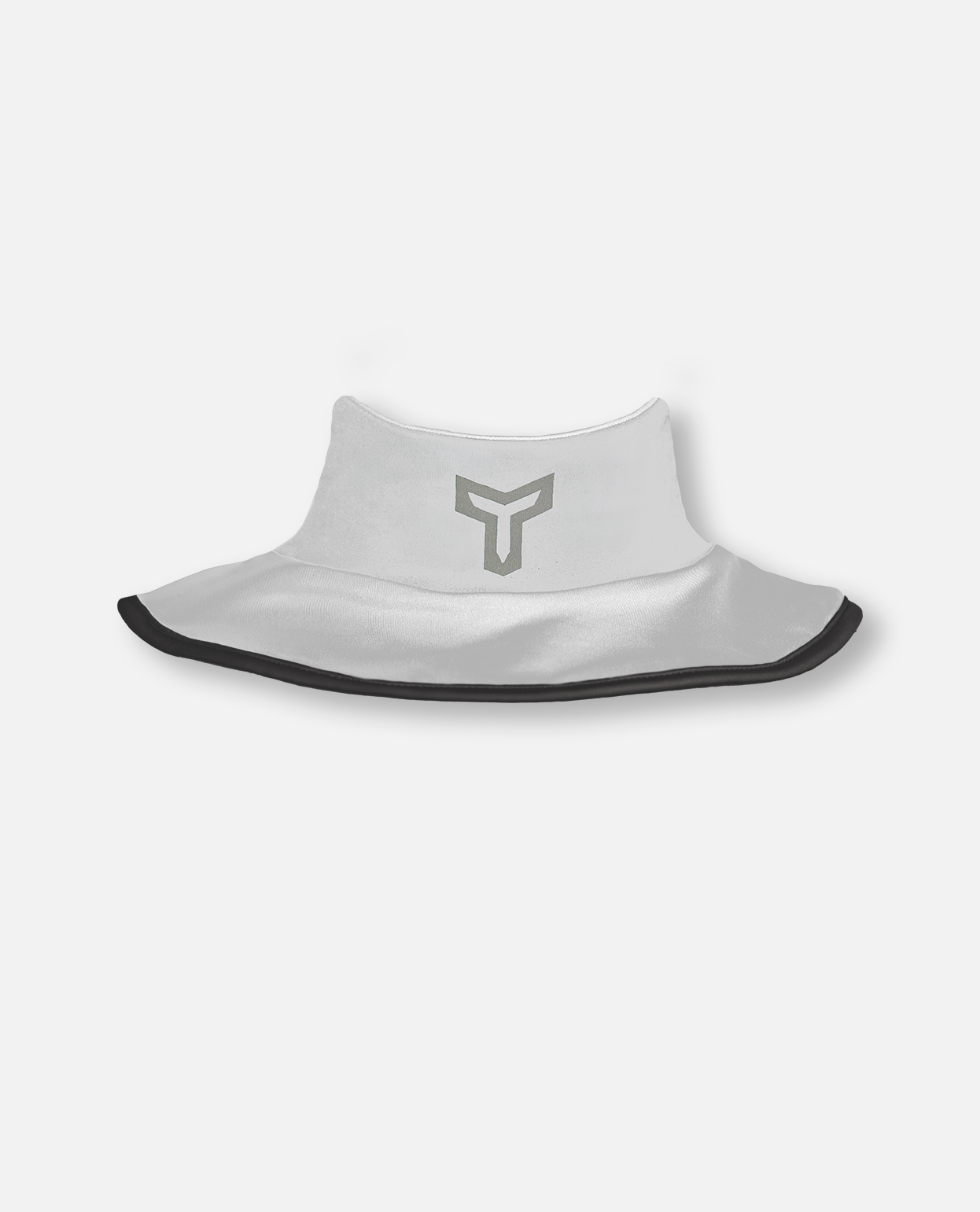
Most mass-market hockey neck guards on the ice today are rated ANSI A2 or A3. These materials are designed for light cut exposure, not the force of a sharpened skate blade traveling at speed.
In addition to limited cut resistance, traditional neck guards often:
-
Sit loosely around the neck
-
Shift or gap during skating, turning, or falling
-
Rely on straps or Velcro that move under pressure
In real game situations, those gaps are exactly where injuries occur.
The most dangerous aspect of A2/A3 neck guards is not just their limited protection. It is the false sense of security they create.

How Titan BattleGear approached the problem differently
At Titan BattleGear, we did not design our gear to meet minimum standards. We designed it to address the realities exposed by real-world data.
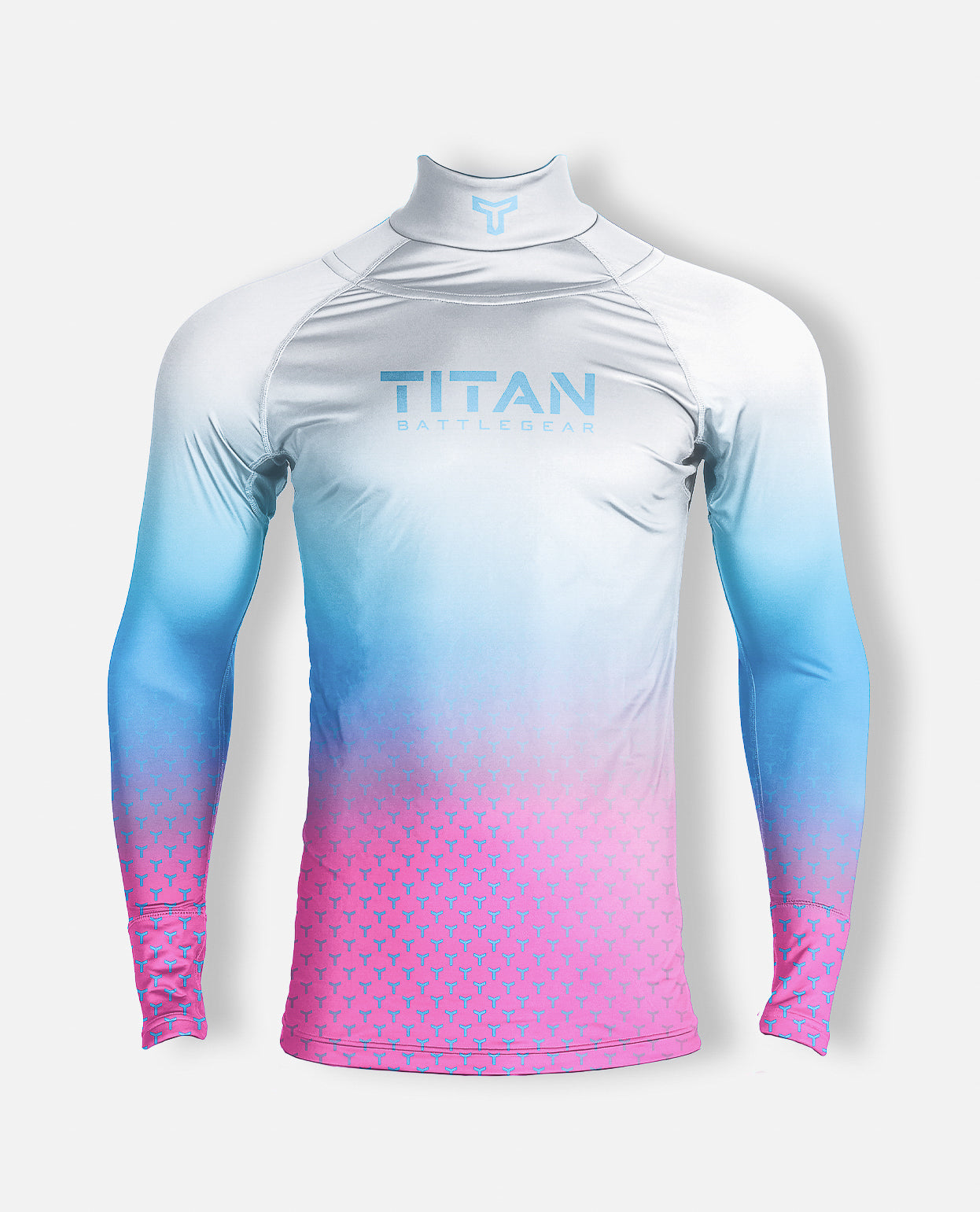
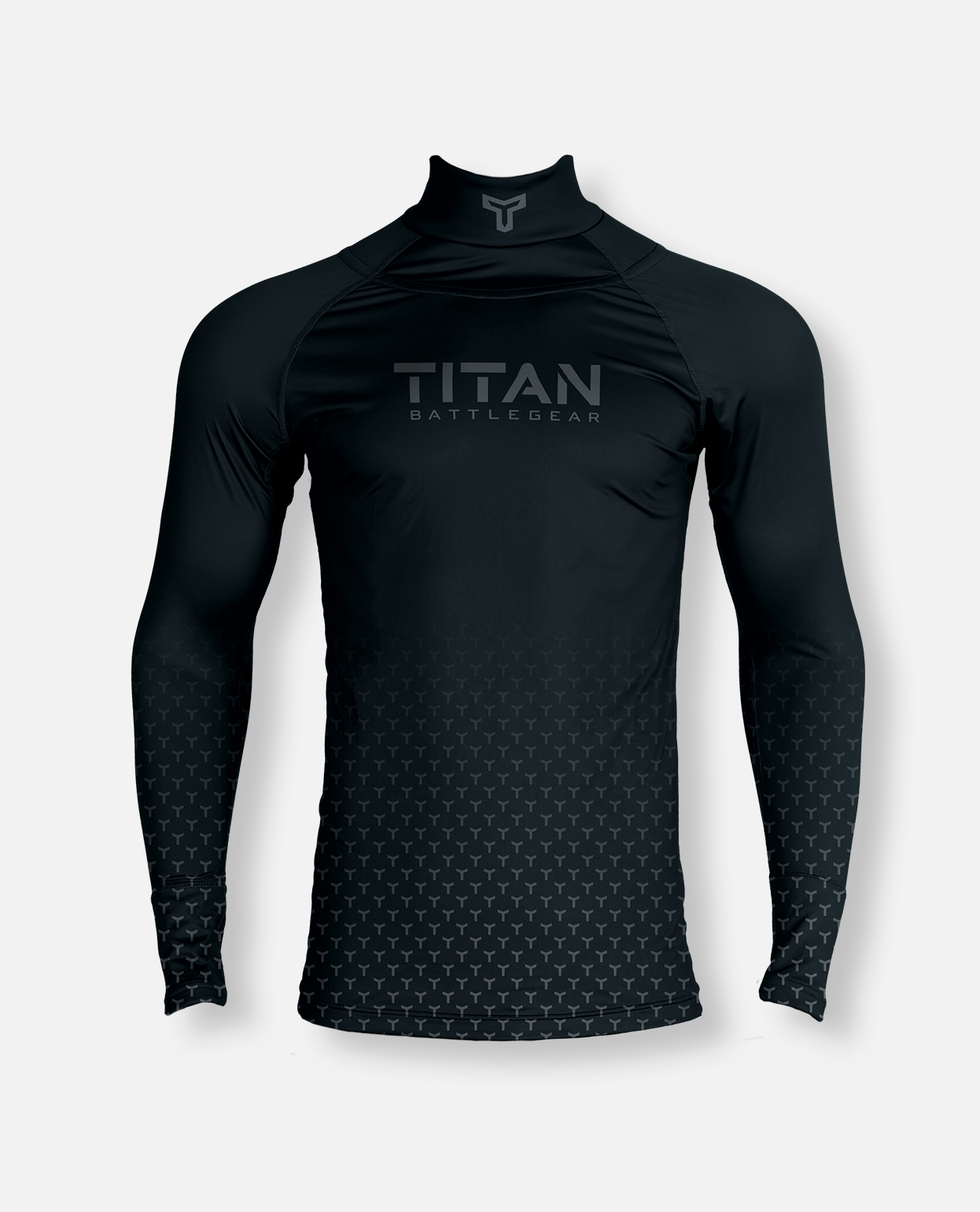
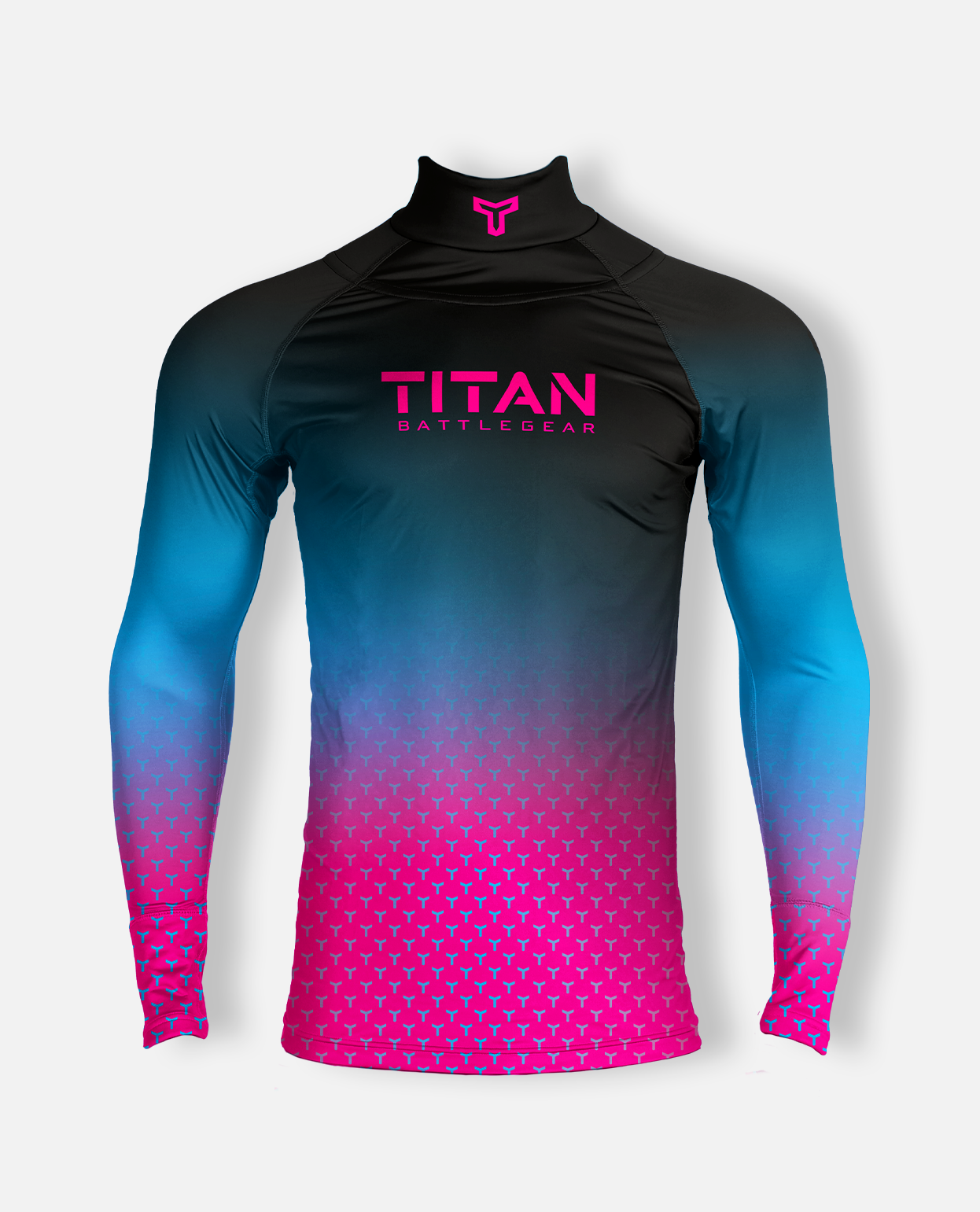
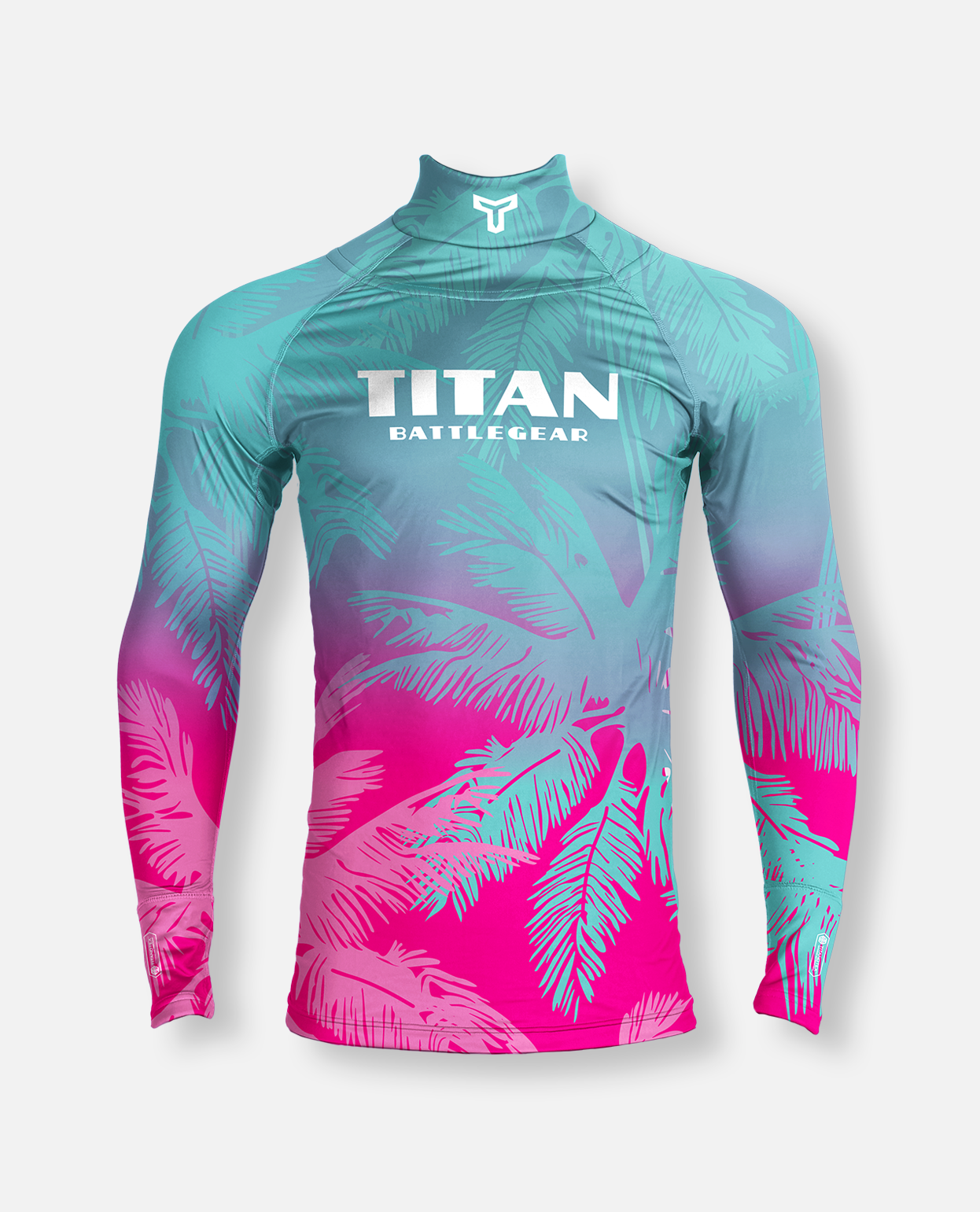
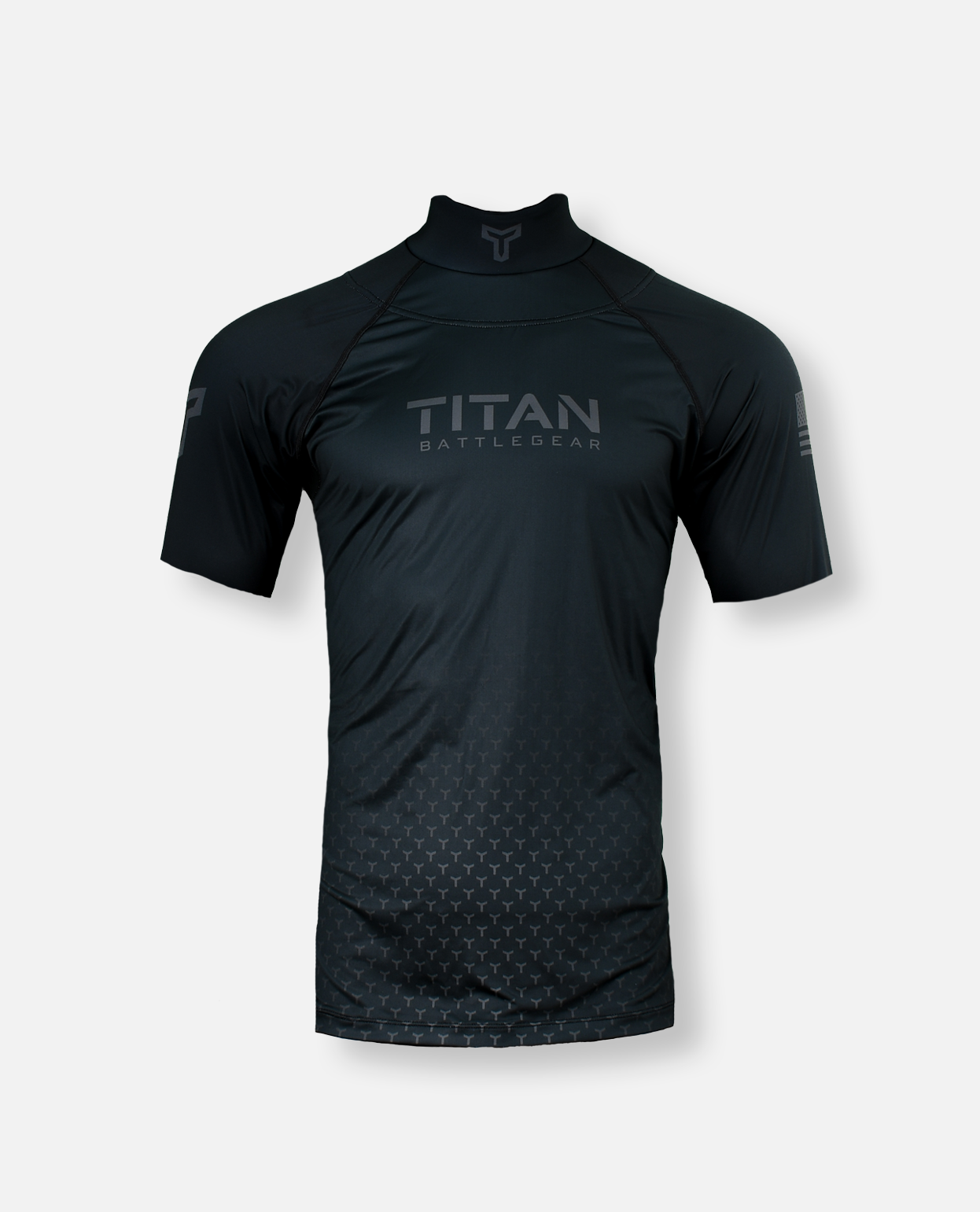
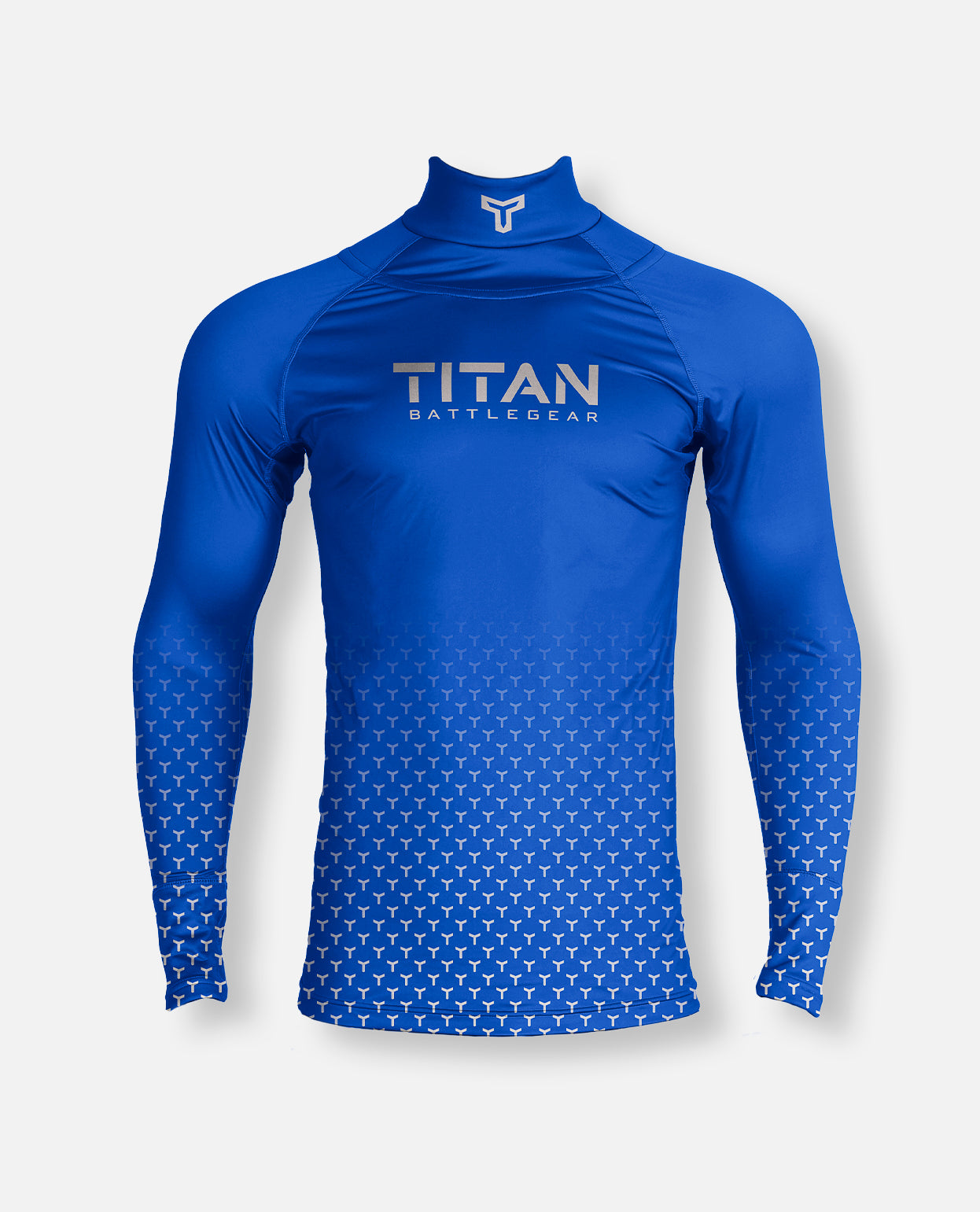
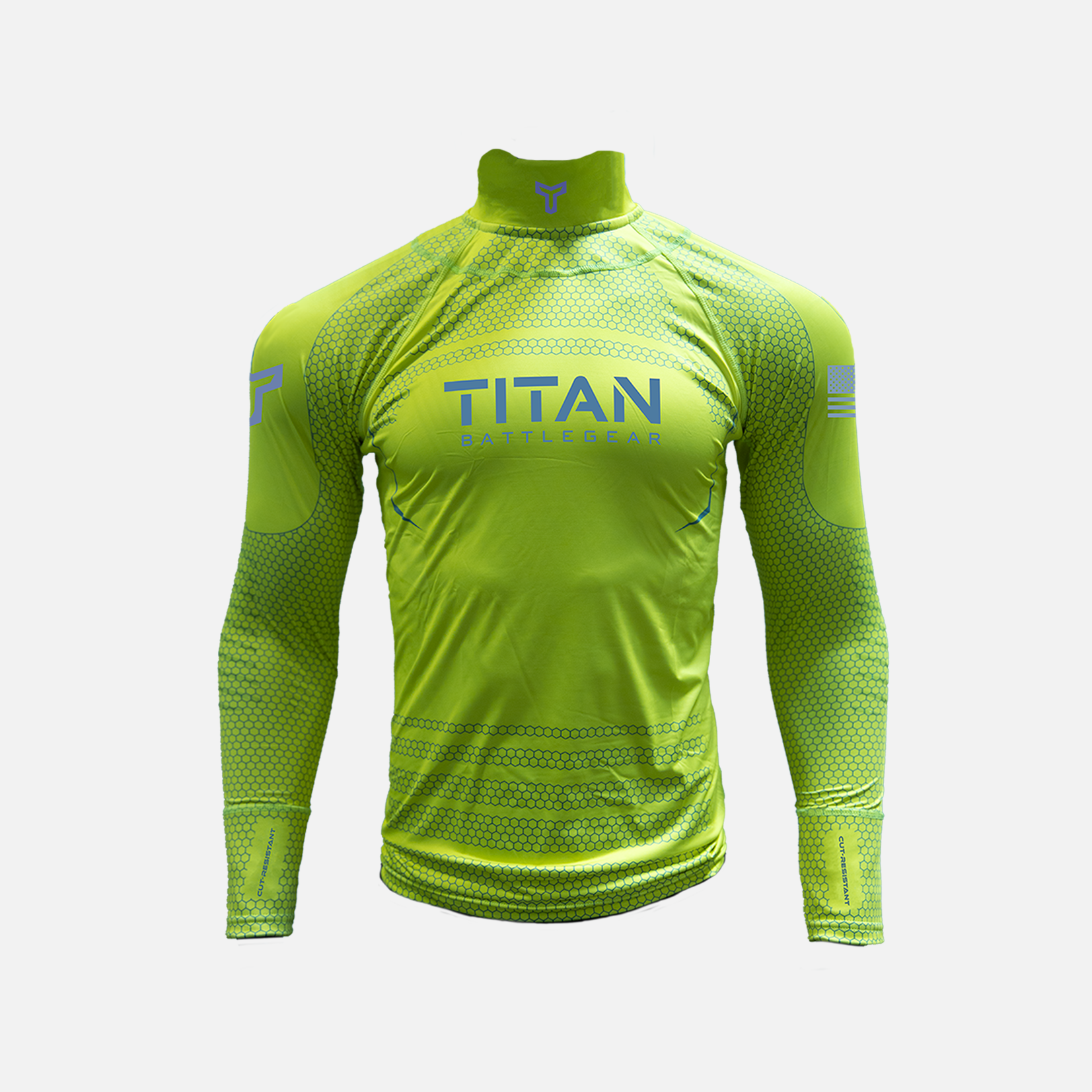
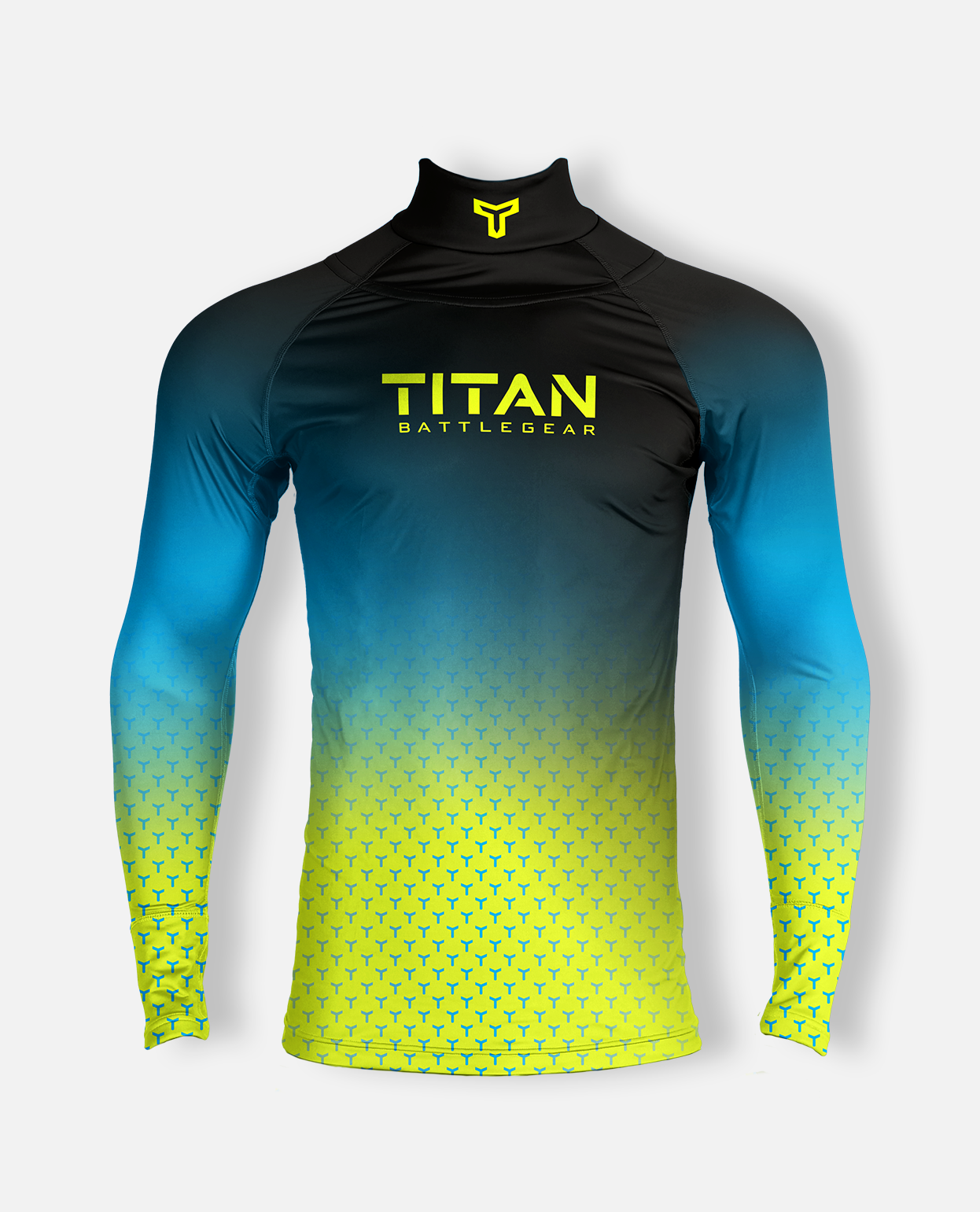
Our base layers are engineered with:
-
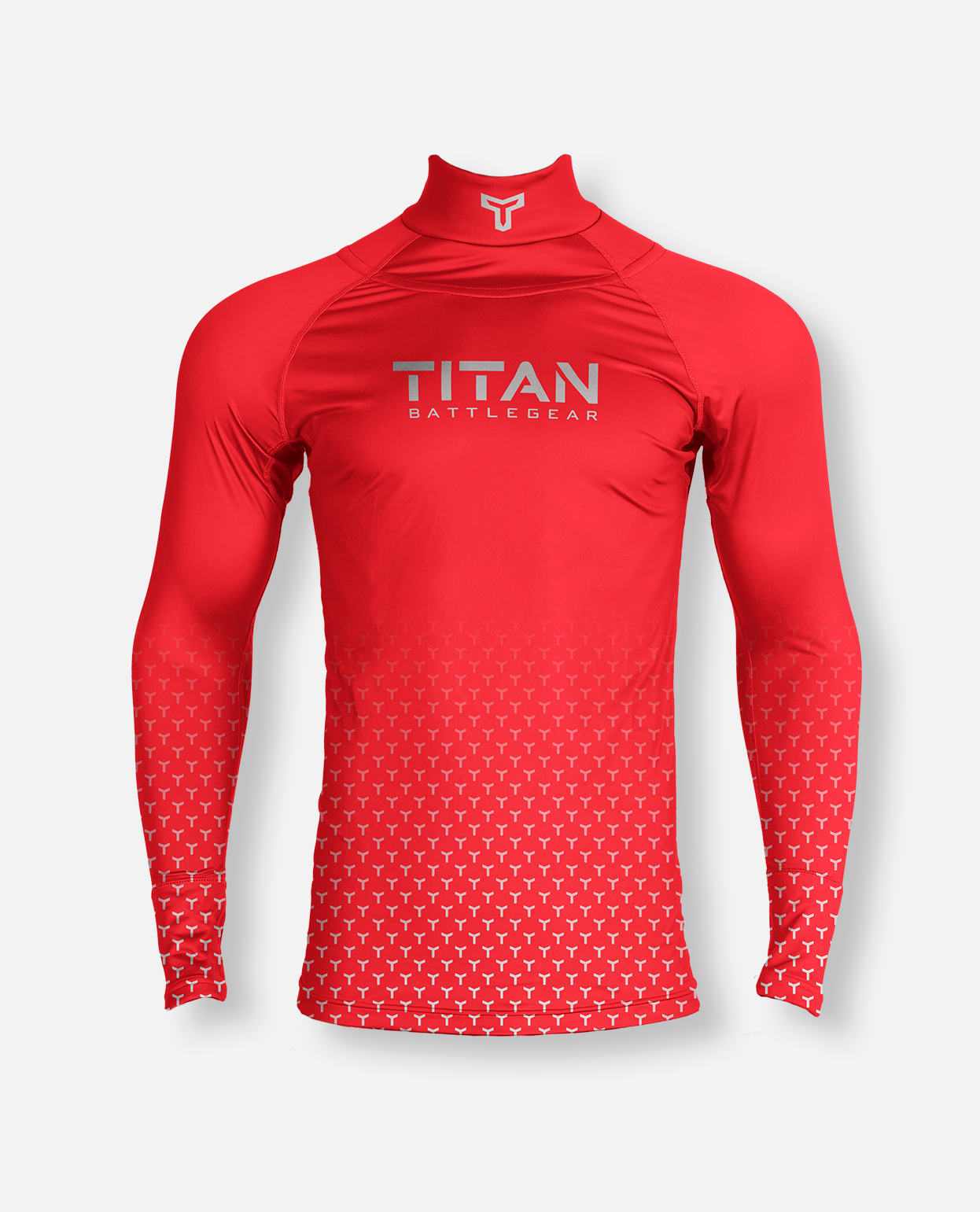
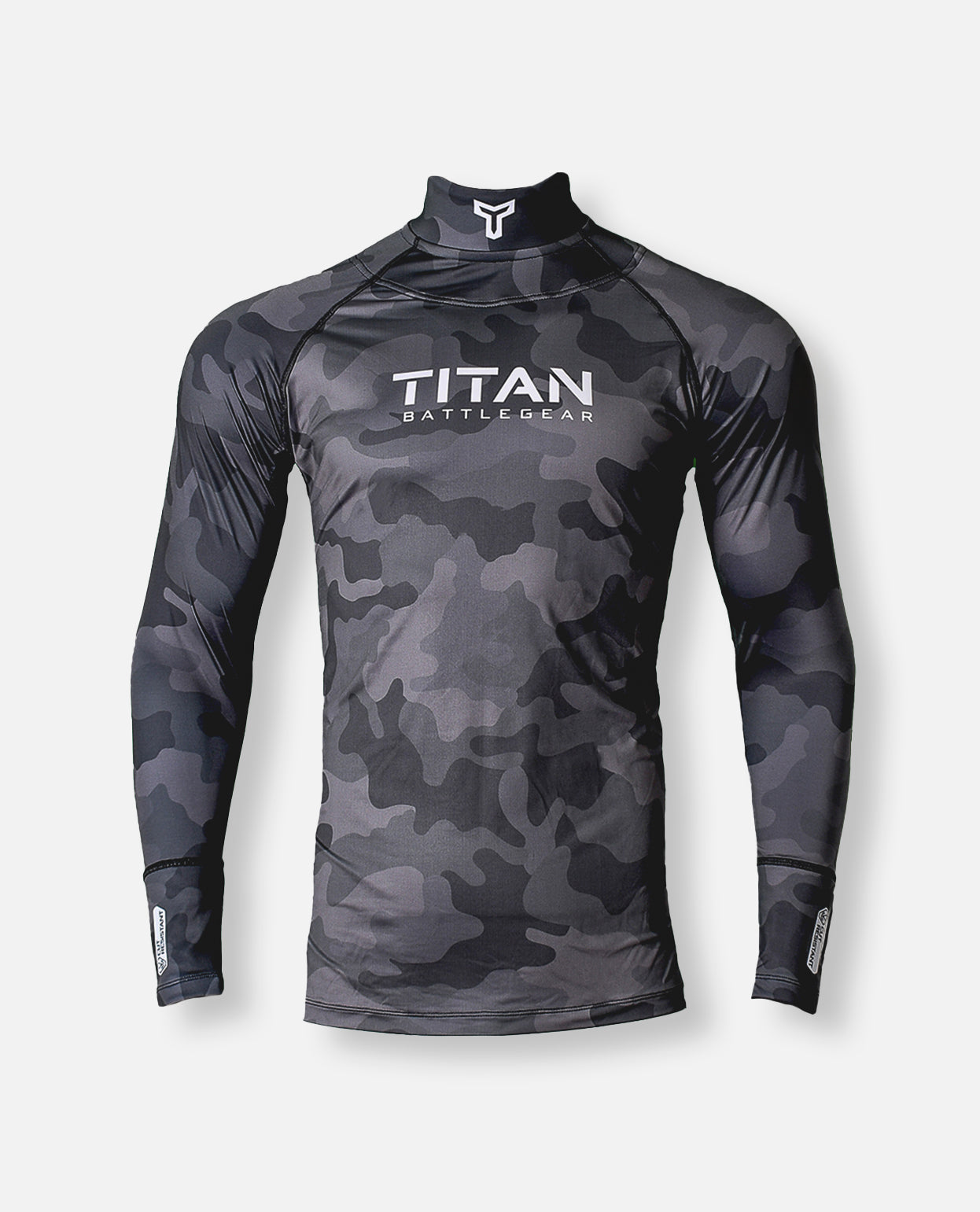
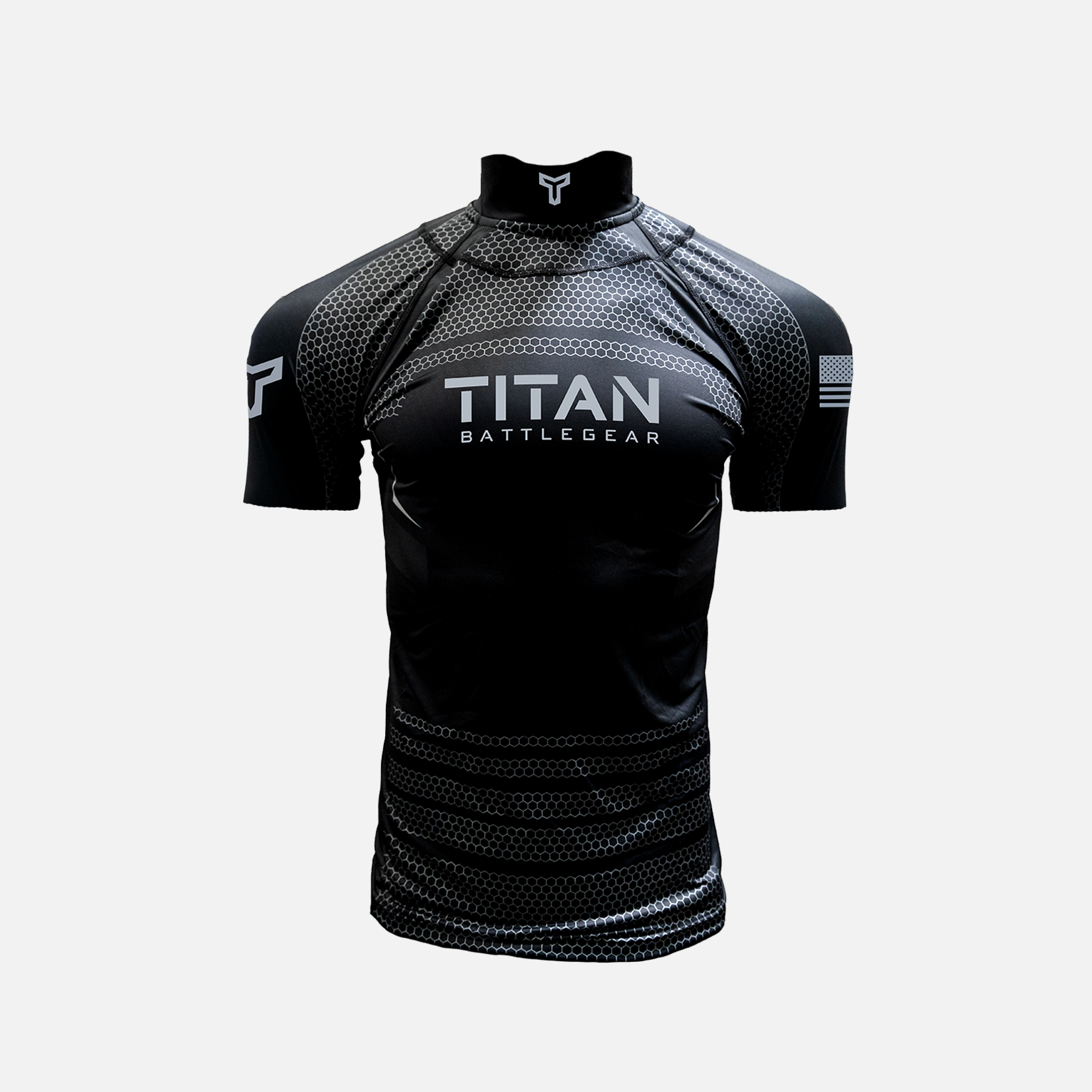
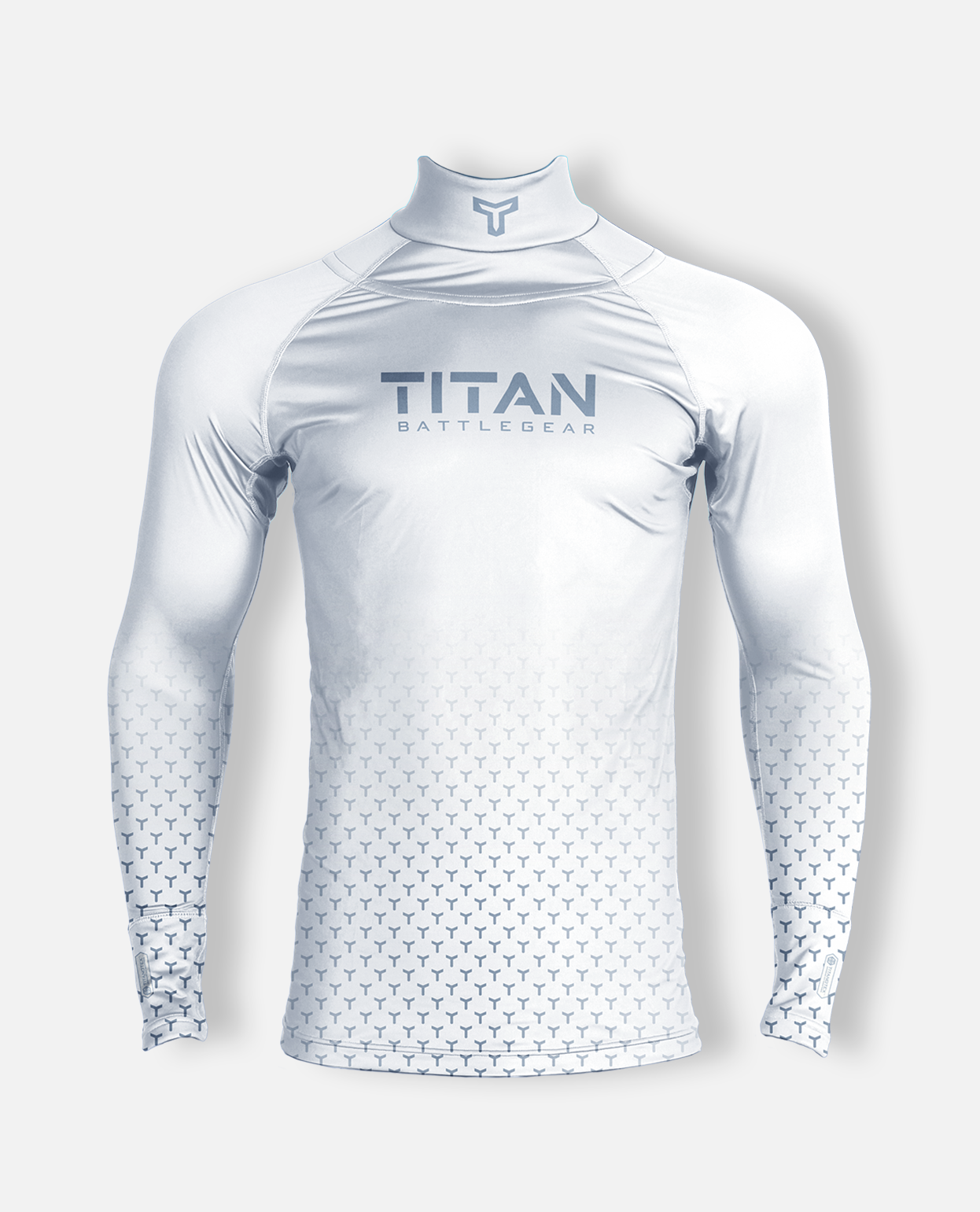
Titanotex™ fabric delivering ANSI A8/A9 cut resistance
-
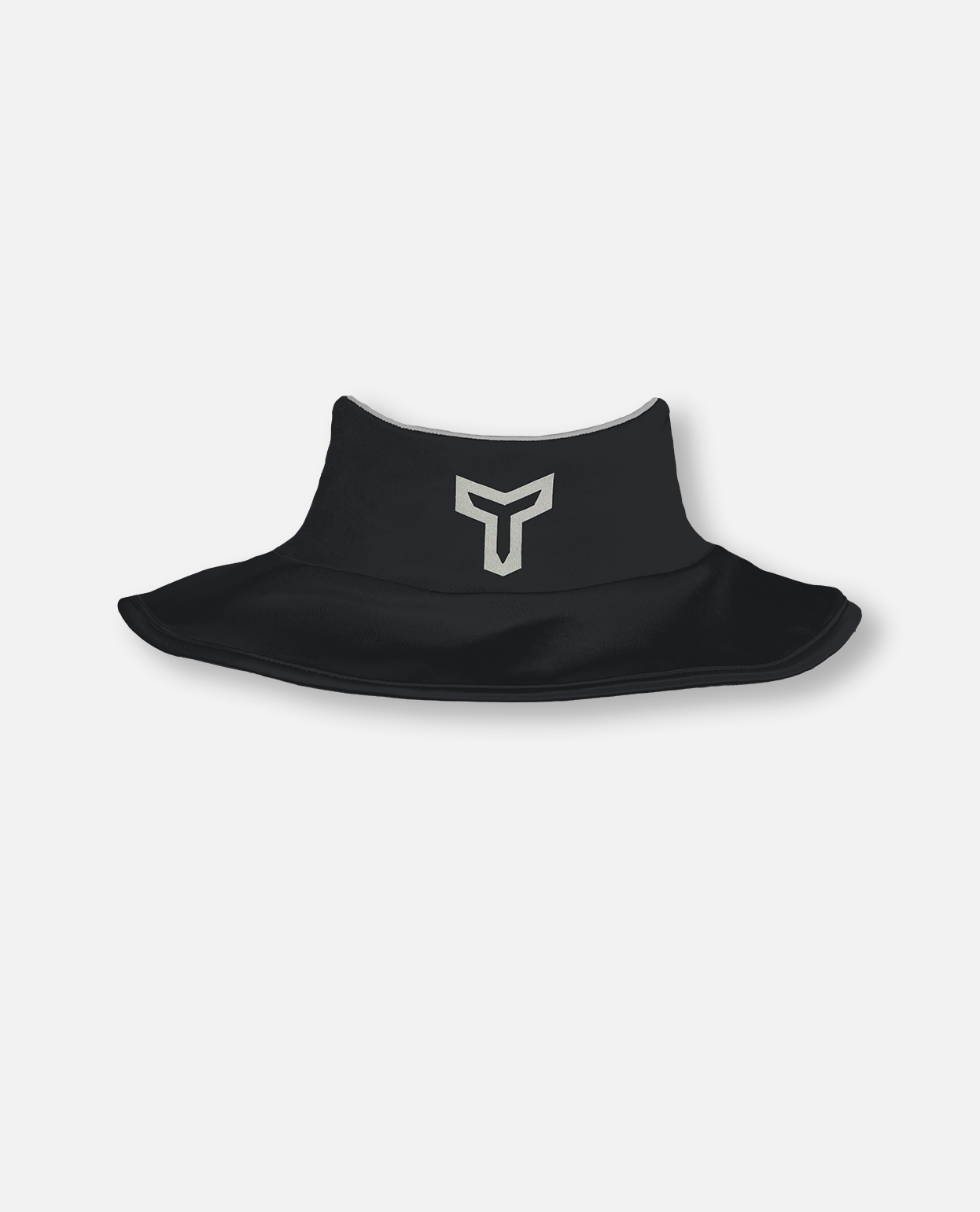
A Stretch ProCurve™ Collar designed to stay in place during play
-
ArcGuard™ Technology for reinforced, full-coverage protection
-
Integrated neck-to-wrist cut resistance to eliminate gaps
This is not a loose accessory layered on top of the body. It is protection built directly into a performance base layer.
Compare Titan BattleGear to other brands here.
Why higher cut resistance is no longer optional
The Mayo Clinic testing showed that many neck guards fail when exposed to forces comparable to real skate blade impacts. In those tests, the blade cut through the guard and into the simulated tissue beneath.
That means the presence of a neck guard alone is not a reliable indicator of protection. Performance depends on cut resistance, coverage, and whether the guard stays in position under load.
Titan BattleGear is designed around those requirements so protection is maintained when force is applied.
👉 Explore Titan BattleGear and choose protection backed by data.