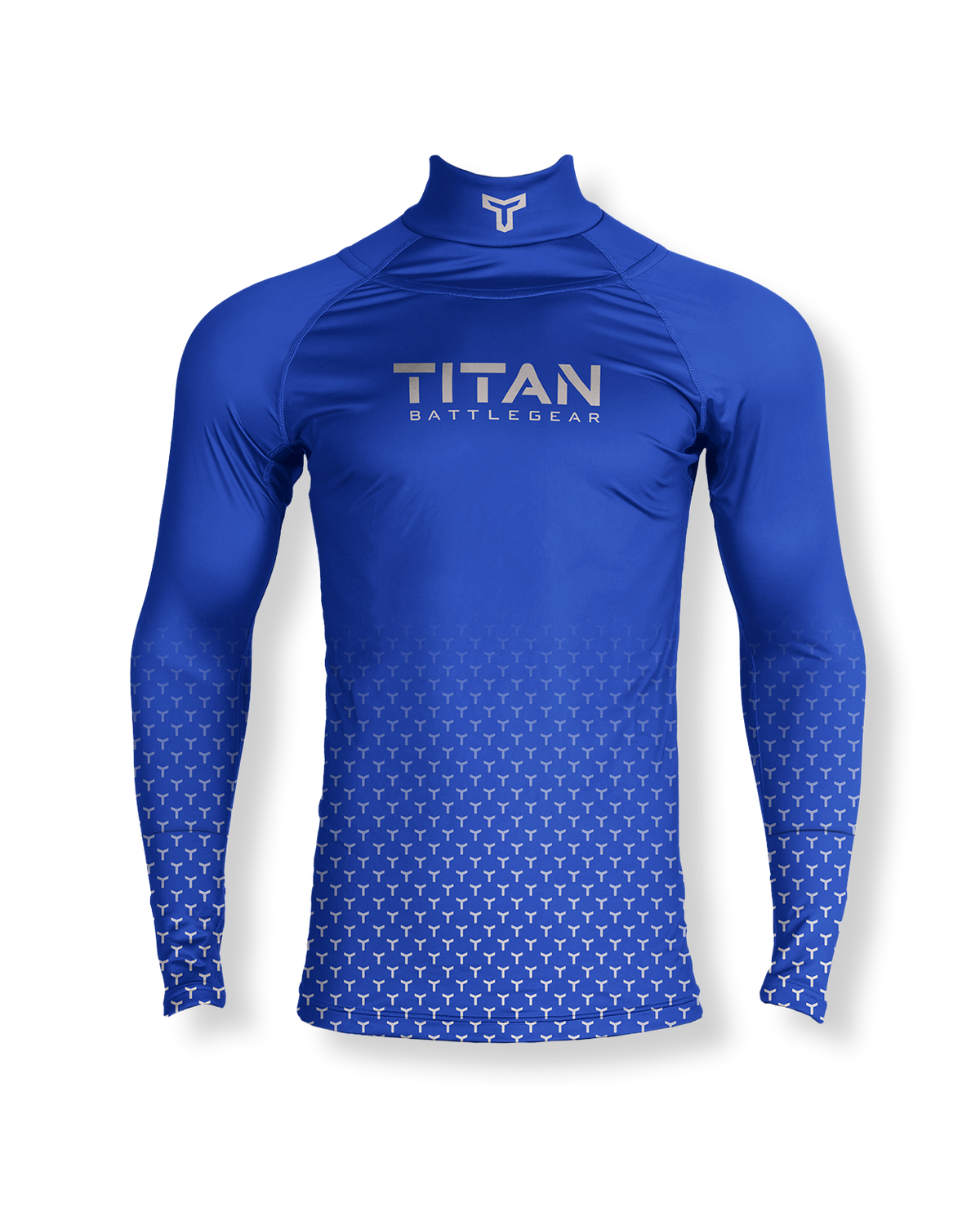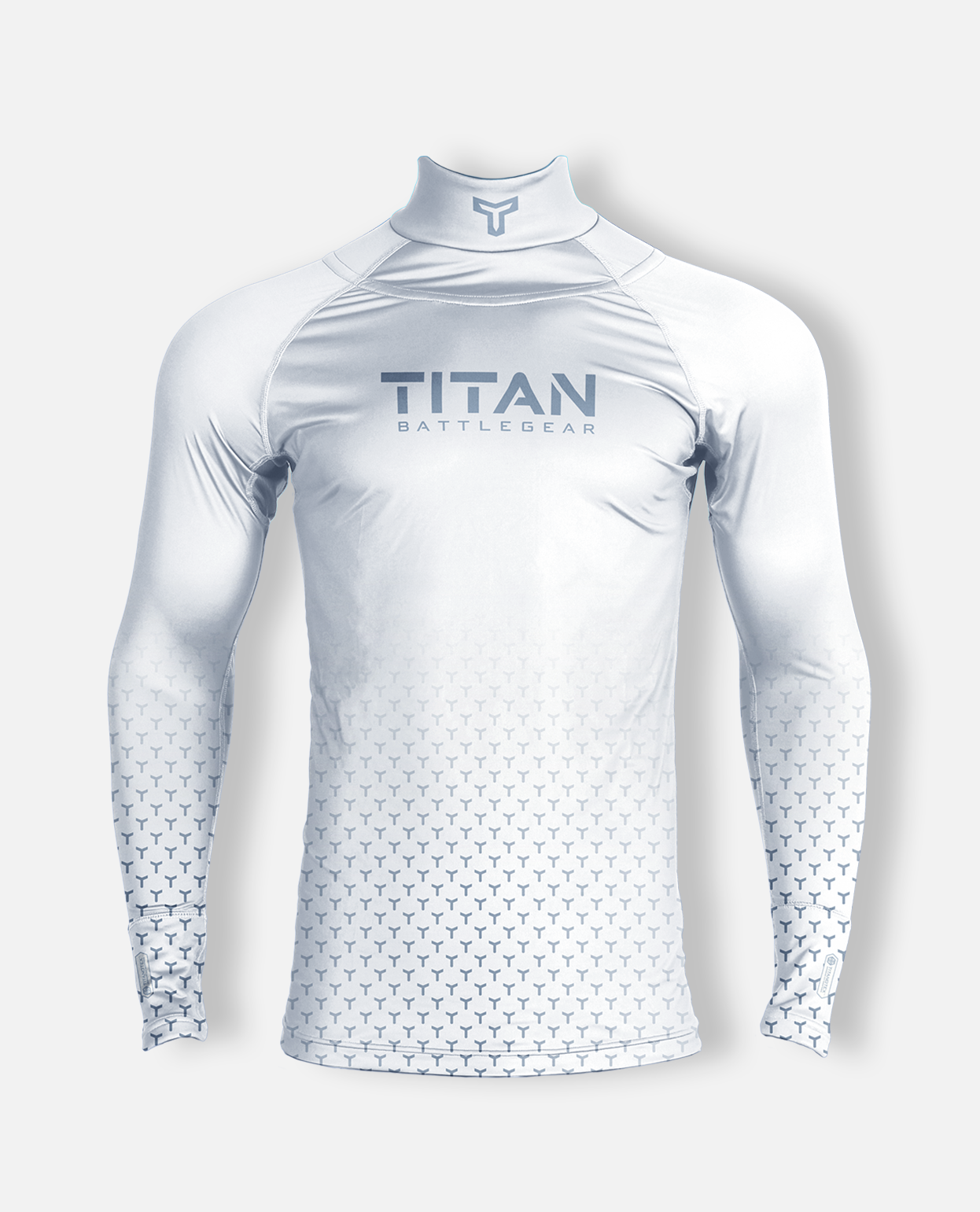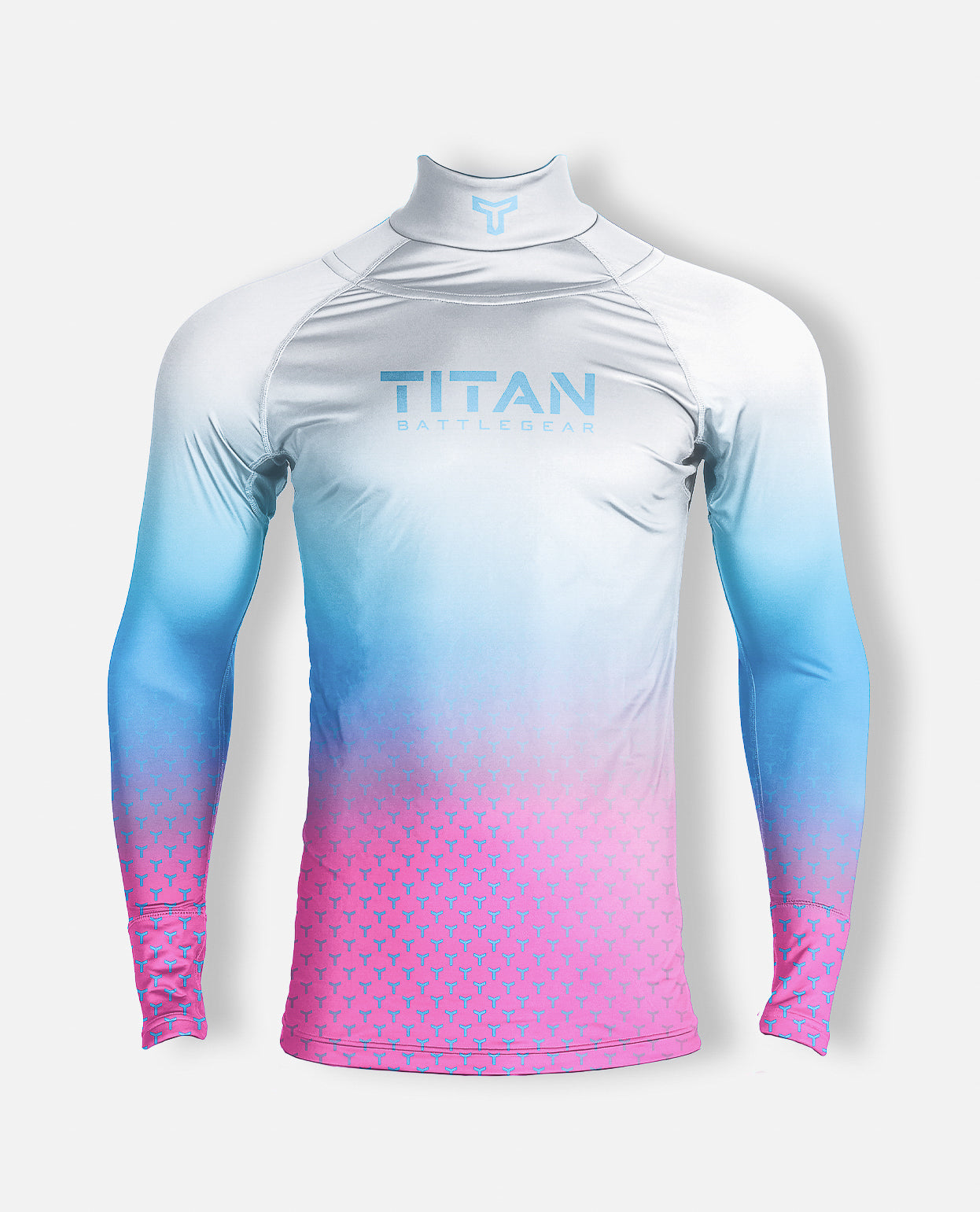

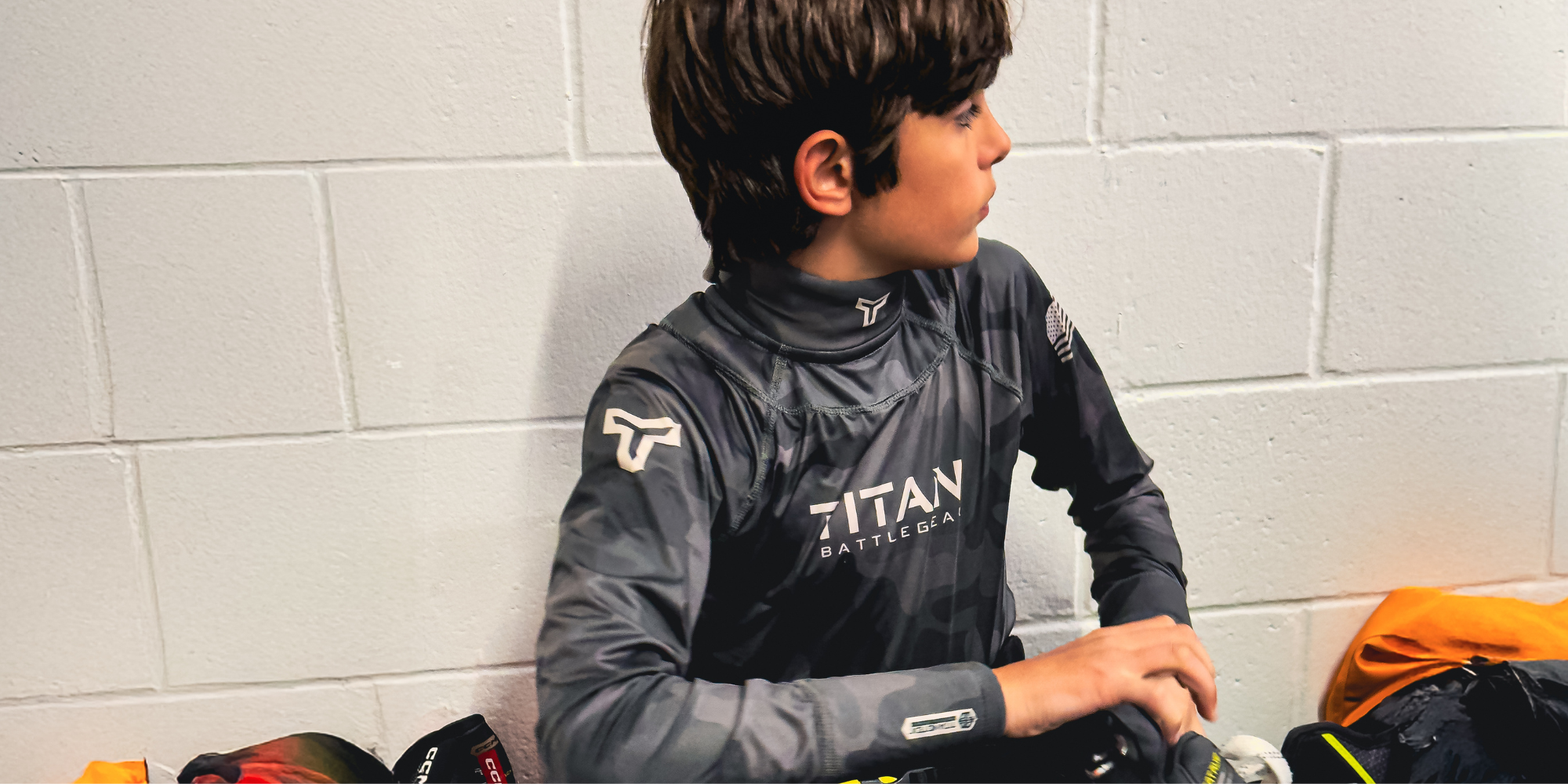
If you walk into any hockey store, most protective base layers look almost identical.
They all claim to be cut resistant.
They all feature integrated neck guards.
They’re all sold by familiar hockey brands.
So naturally, most parents assume they provide roughly the same protection.
They don’t.
The truth is that cut-resistant hockey base layers vary dramatically in how well they actually protect players. Some offer only minimal resistance to skate blades, while others are engineered with materials designed to withstand extreme force.
If you're trying to find the best hockey base layer for protection, there are three critical factors that matter more than brand names or marketing claims:
-
Cut resistance level
-
Coverage of vulnerable areas
-
Design that keeps protection in place during play
The base layers that deliver all three are the ones that provide real protection on the ice.
1. Cut resistance level is the most important factor
The most protective hockey base layers use high-level cut-resistant fabrics that can withstand significant blade force before being penetrated.
Cut resistance is measured using the ANSI scale, which ranges from A1 (minimal protection) to A9 (maximum protection).
Here’s the surprising reality many hockey families don’t realize:
-
A1–A3: lowest cut resistance; common rating for many mass-market neck guard shirts
-
A4–A5: moderate cut resistance
-
A7–A9: high-performance cut-resistant materials designed for extreme environments
Many hockey base layers that meet youth certification requirements fall in the A2 to A3 range. That means some hockey products marketed as “cut resistant” offer only the minimum cut resistance levels.

The most cut-resistant hockey base layers use A8 or A9 cut-resistant materials, providing dramatically stronger resistance to skate blades.
🔗 Learn more about ANSI cut ratings.
2. Coverage matters just as much as material strength
Cut resistance alone doesn’t guarantee protection.
The base layer must also cover the areas most vulnerable to lacerations.
The most critical zones include:
-
the front and sides of the neck
-
the carotid artery and jugular vein
-
the wrists, which are also highly exposed during play
Many traditional neck guards or basic base layers leave gaps in coverage, especially along the sides of the neck or around the wrists.
Modern protective shirts solve this by integrating protection directly into the garment, ensuring the material stays aligned with the player’s body throughout the game.
The best hockey base layers provide continuous coverage of these high-risk areas.
3. Integrated design prevents shifting during play
Protection only works if it stays in place.
Traditional neck guards often rely on Velcro straps or separate equipment pieces that can loosen or shift during gameplay.
When protection moves, the vulnerable areas it’s supposed to cover become exposed.
That’s why the best hockey base layers use fully integrated protective systems built into the shirt itself.
This design ensures that the protective collar and wrist zones:
-
move naturally with the player
-
remain aligned with the neck and arms
-
cannot slide out of position during contact
Integrated designs provide more consistent protection throughout the game.
4. Comfort determines whether players actually wear it
Even the most protective gear is useless if players won’t wear it.
Many traditional neck guards and basic protective shirts struggle with:
-
bulky collars
-
stiff fabrics
-
irritating Velcro closures
-
snagging hair
-
heat buildup during intense shifts
When gear is uncomfortable, players constantly adjust it – or remove it entirely.
The best hockey base layers are designed like high-performance athletic gear, using:
-
four-way stretch fabrics for mobility
-
moisture-wicking materials
-
breathable construction
-
no Velcro
Protection should move naturally with the player and feel like part of their normal gear.
Why tens of thousands of players are switching to Titan BattleGear
A new generation of protective hockey gear is raising the standard for safety.
Here at Titan BattleGear, we designed our base layers specifically to solve the weaknesses found in traditional neck guards and mass-market shirts.
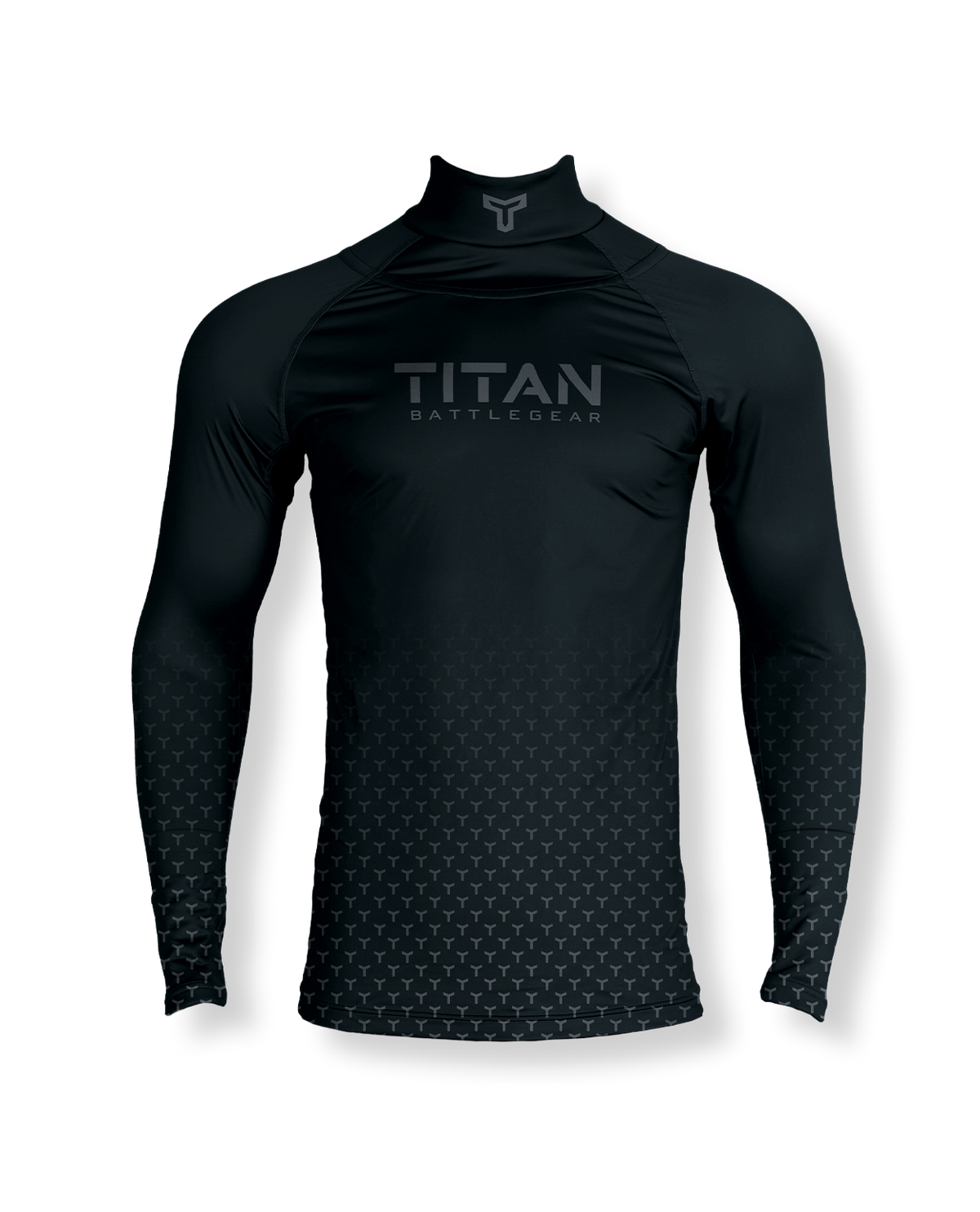
Titan shirts feature:
-
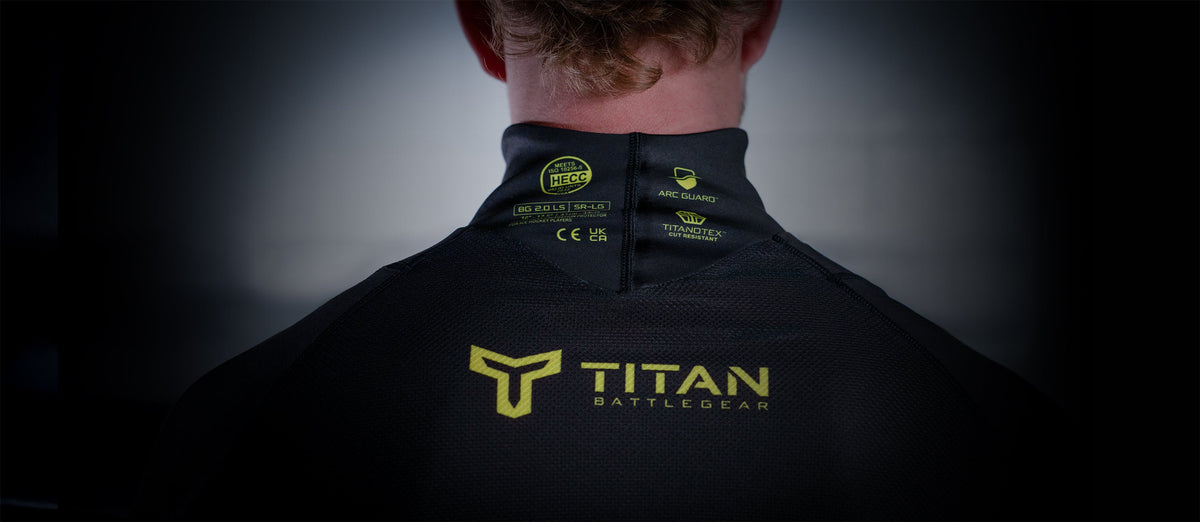
Titanotex™ fabric with A9 ANSI cut resistance
-
Patent-pending ArcGuard™ neck protection technology
-
Stretch ProCurve™ collar for mobility and comfort
-
Integrated wrist protection for full coverage
Instead of treating neck protection as a basic apparel accessory, we engineered our neck guard shirts gear as serious protective equipment built for real hockey conditions.
The bottom line: what makes the best hockey base layer for protection
The best hockey base layer for protection delivers three things at the same time:
-
High-level cut resistance (A8–A9)
-
Full coverage of vulnerable areas like the neck and wrists
-
Integrated construction that stays in place during play
Anything less can create a false sense of security.
Because when it comes to protecting players from skate blade lacerations, real protection isn’t about minimum standards – it’s about maximum safety.