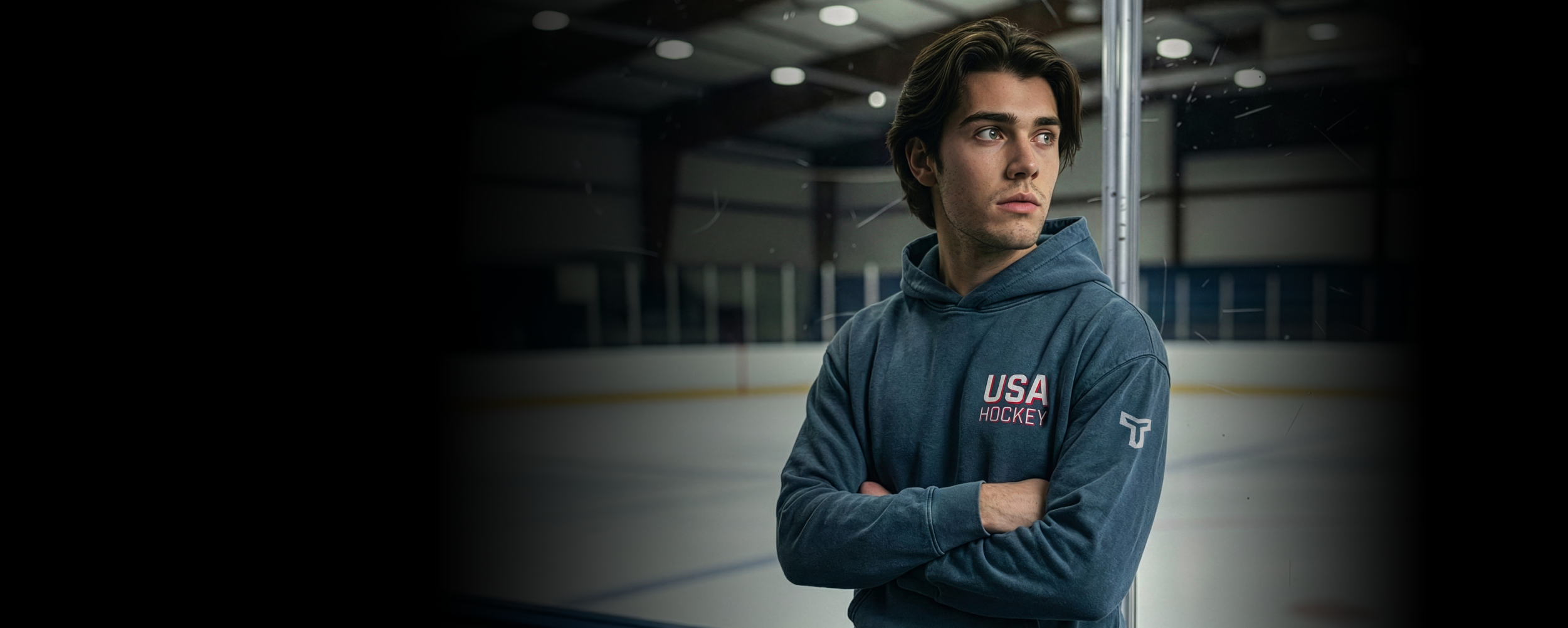


Olympic hockey is always fast, physical, and emotional. That part hasn’t changed.
What has changed this year is quieter – but significant.
- For the first time in years, NHL players are back on the Olympic stage.
- At the same time, neck protection is mandatory across competition.
On their own, each of those facts is notable. Together, they signal something bigger: the game is evolving in plain sight.
If you’re paying attention, this tournament isn’t just about who wins. It’s about what hockey now considers essential.
Here’s what to notice as you watch:
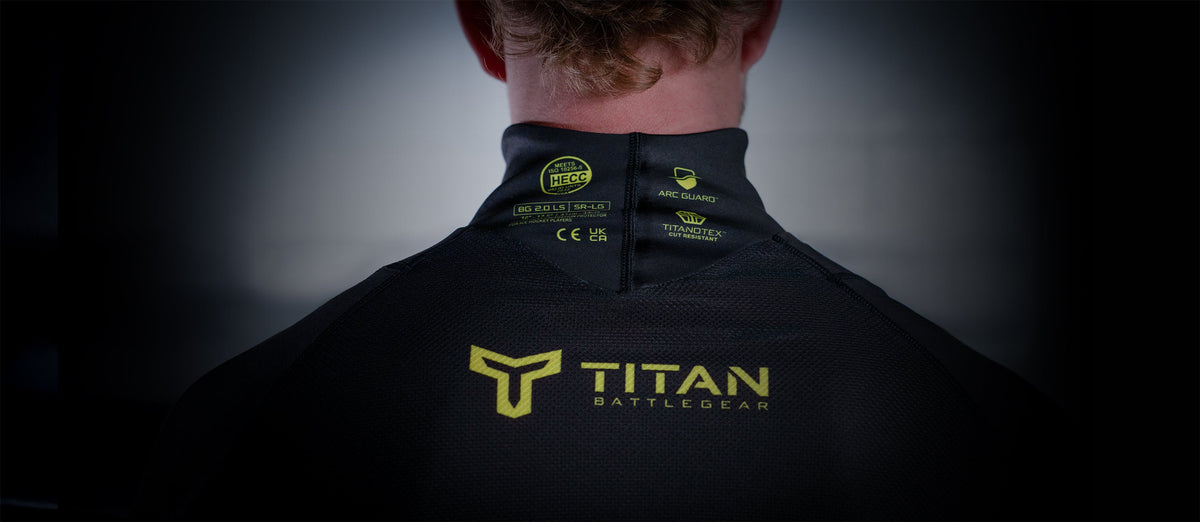
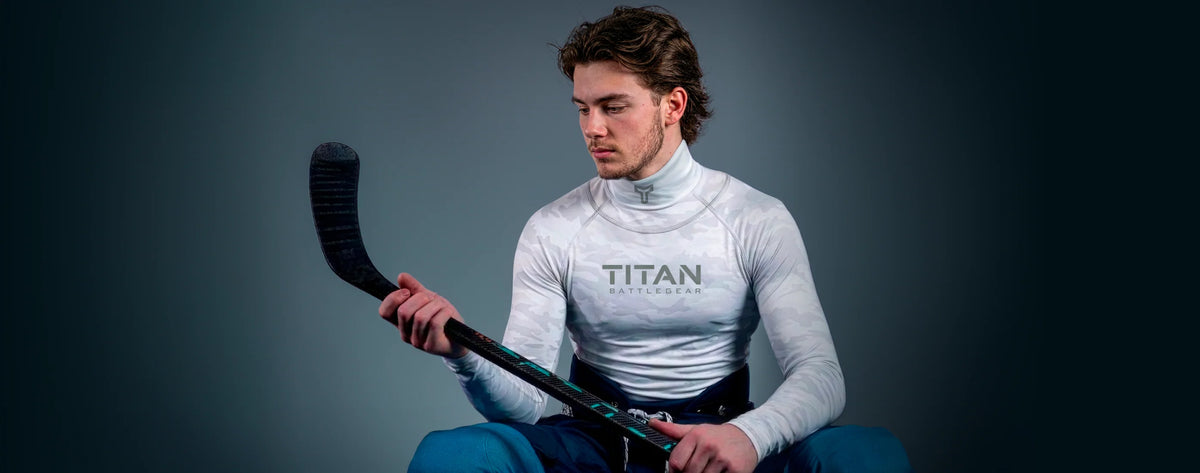
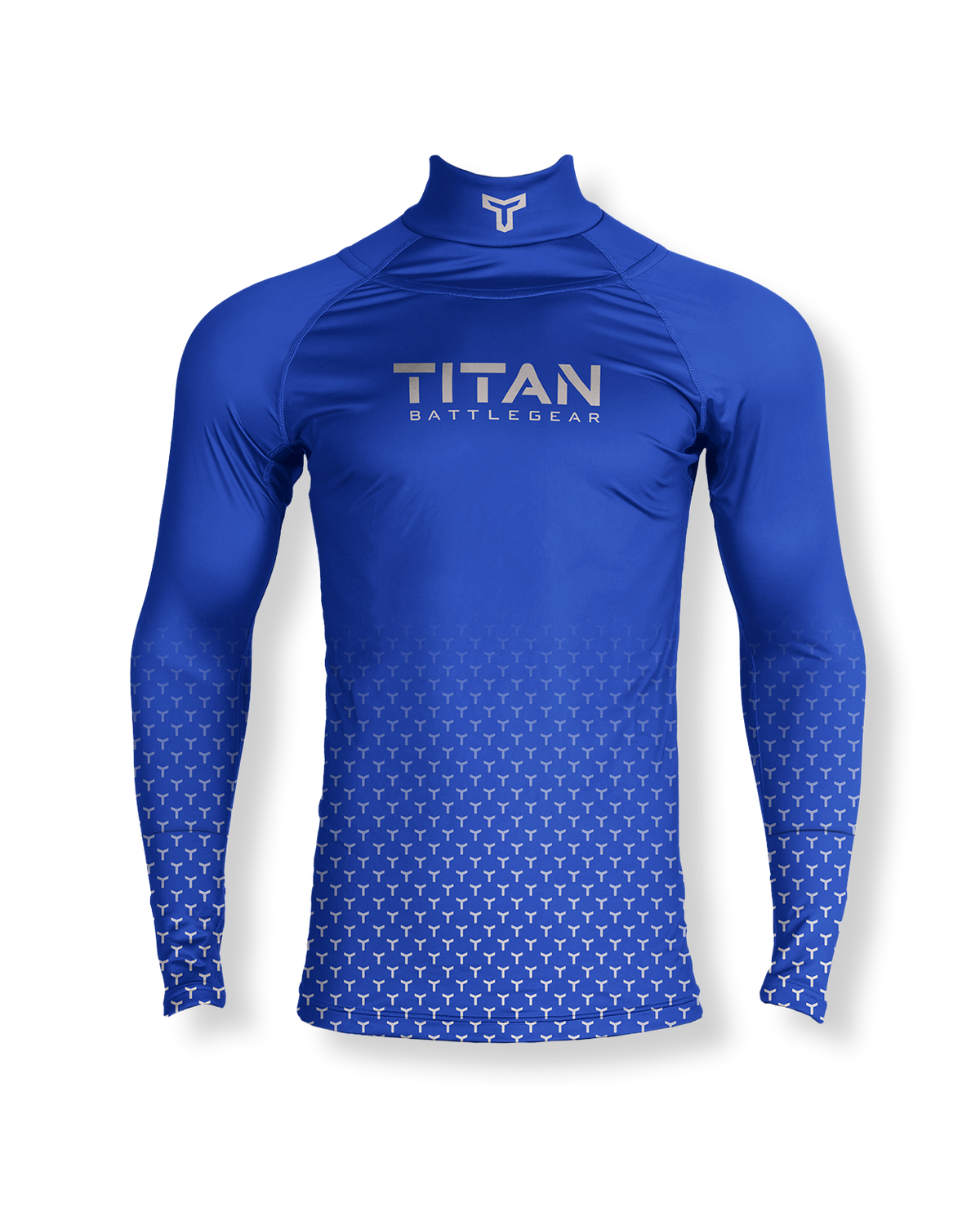
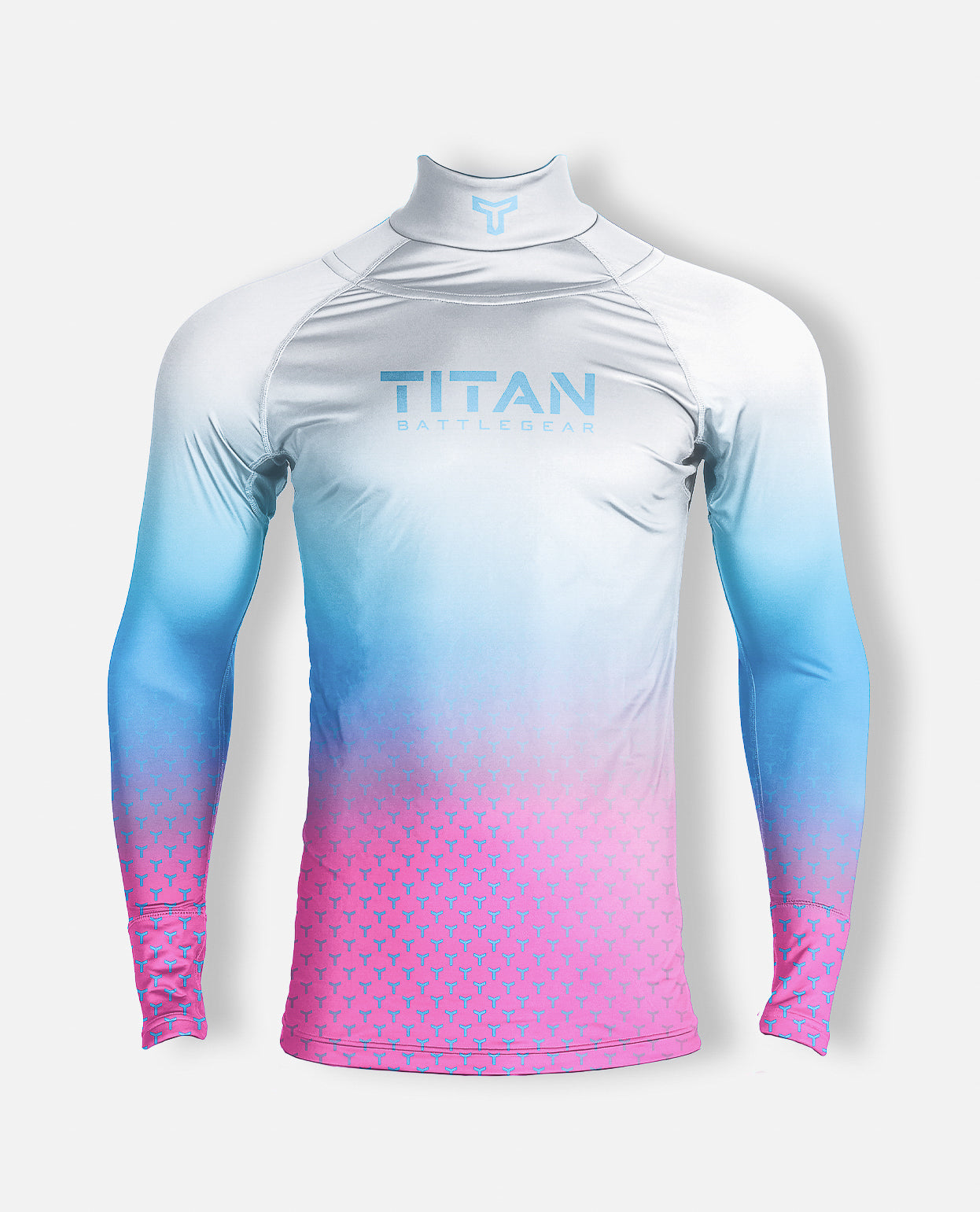
Integrated neck protection
Why it matters:
Not long ago, neck protection was treated as optional – something some players chose and others avoided. That’s no longer the case at the Olympics. It’s integrated into the uniforms, required across rosters, and treated as a given.
That shift alone tells you how far the conversation has moved.
Speed without compromise
Why it matters:
Nothing about Olympic hockey feels slower or safer in a cosmetic way. The pace is relentless. The edges are sharp. The collisions are real.
This year's mandate isn’t about dialing the game back. It’s about acknowledging how fast and dangerous the modern game already is, and setting standards that reflect that reality.
Consistency across players
Why it matters:
One of the most noticeable changes isn’t about any single player – it’s about consistency. Protection isn’t left up to personal preference or individual risk tolerance. It’s built into how teams show up to compete.
That kind of consistency usually marks a deeper shift: when safety stops being a personal decision and becomes part of the structure of the sport.
How safety is talked about
Why it matters:
Listen to the broadcasts this year and you’ll hear neck protection mentioned – not as a controversy, but as context. It’s discussed matter-of-factly, alongside pace, physicality, and equipment changes.
That tone matters. When broadcasters treat protection as part of the modern game (rather than something novel or optional) it signals a shift in how safety is understood. Not as a distraction from performance, but as something that coexists with it.
That kind of normalization is often how real change takes hold.
The bigger takeaway
Olympic hockey has always shown us the highest level of the sport. And this year, the conversation around it feels different.
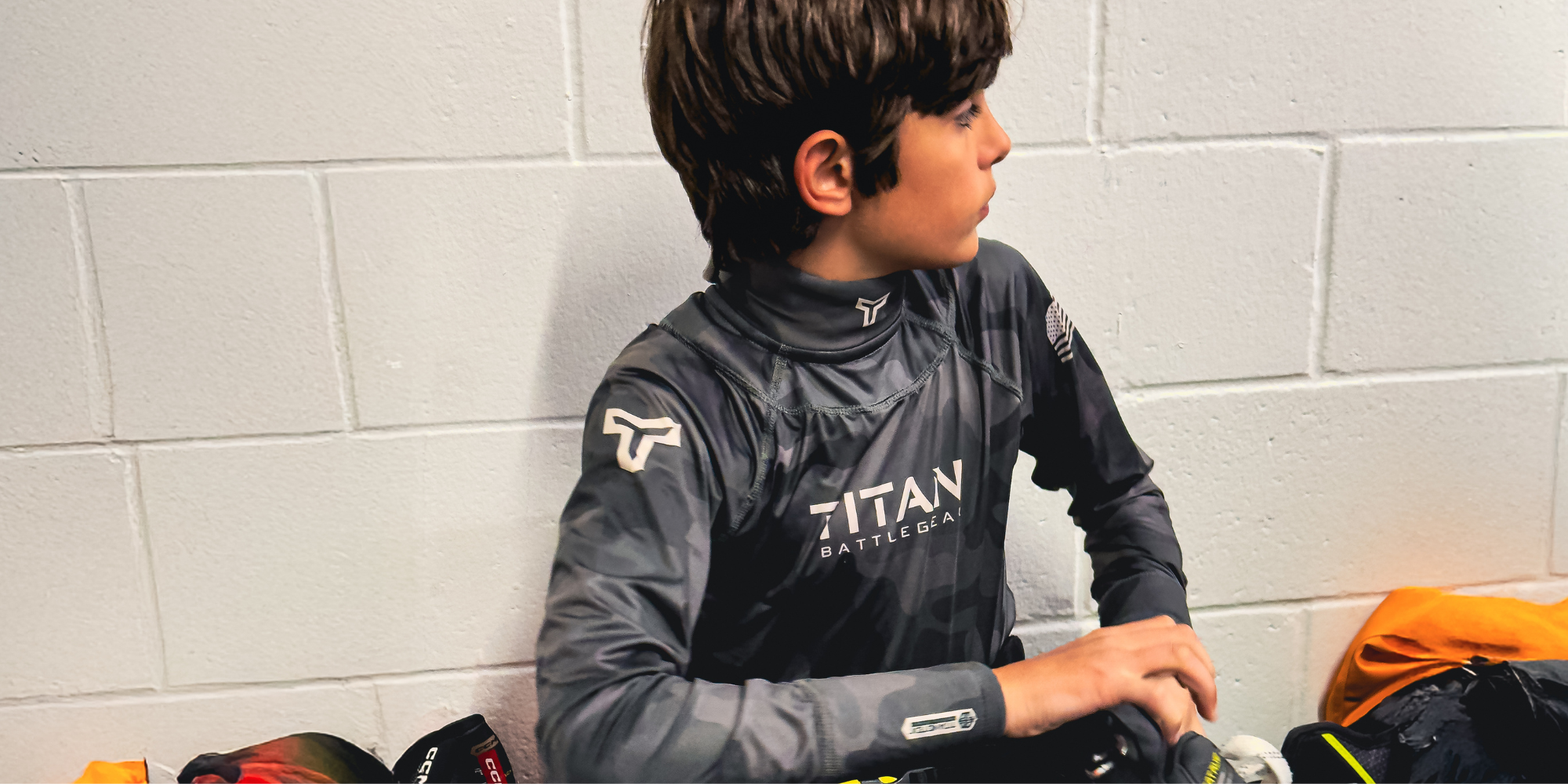
When protection is required at the very top, it rarely stays there. Standards set on the world’s biggest stage tend to shape expectations everywhere else – from professional leagues to youth programs.
Watching with that lens doesn’t take anything away from the competition. If anything, it adds a quiet reminder that the game isn’t standing still, even when it looks familiar.