

While hockey is known for its physicality and the high level of protective gear worn by players, neck guards remain one of the least adopted pieces of equipment, especially at the professional level. Despite the potential safety benefits, many players choose not to wear them. In this blog, we’ll delve into the reasons why hockey players often forgo neck guards, exploring both practical and cultural factors.
1. Comfort and Performance Concerns
Restriction of Movement
One of the most cited reasons hockey players avoid neck guards is the perceived restriction of movement. On the ice, players need to maintain a full range of motion, particularly in their neck and head, to stay aware of the puck, other players, and their surroundings. Some players feel that neck guards limit their ability to move their heads freely, which can be crucial for maintaining situational awareness. This concern is especially prevalent among players who rely on quick, agile movements, such as defensemen and goalies.
Heat and Discomfort
Another significant factor is the discomfort associated with wearing a neck guard. During intense physical activity, neck guards can trap heat, leading to discomfort and even overheating. For players in high-stakes games, this discomfort can be a distraction, potentially impacting their performance. While advancements in materials are improving the breathability and comfort of neck guards, the perception that they are cumbersome remains a barrier for many players.
2. Personal Choice and Tradition
Not Mandatory in Professional Leagues
In leagues like the NHL, neck guards are not mandatory, leaving the decision up to individual players. This lack of requirement means that many players, particularly veterans, choose to stick with the gear they’re used to, avoiding the introduction of what they see as unnecessary equipment. The freedom to choose, coupled with the lack of a mandate, perpetuates the low adoption rate of neck guards.
Cultural Resistance
Hockey culture has a long-standing resistance to change, particularly when it comes to protective gear. There is a historical perception that wearing additional equipment, especially something as visible as a neck guard, might be seen as a sign of weakness or an unnecessary precaution. This cultural resistance is deeply ingrained, with many players opting to maintain the traditional appearance and gear set that has been the norm for decades.
3. Professional Image
The “Cool Factor”
Lastly, there’s the issue of image. In professional sports, how a player looks can be surprisingly important. Some players may avoid neck guards because they feel it doesn’t align with the “cool” image they want to maintain on the ice. This attitude, although criticized by some, like hockey legend Hayley Wickenheiser, remains a factor in the decision-making process for some players. The desire to look the part can outweigh the consideration of safety, particularly in a culture that values toughness and tradition.
Titan Battlegear’s Approach to Modern Neck Protection

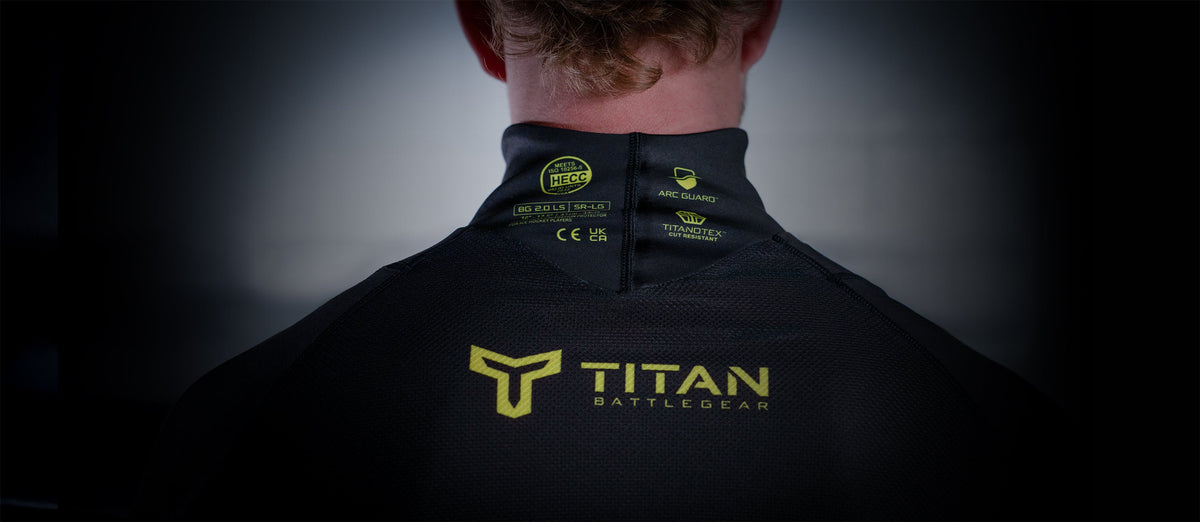
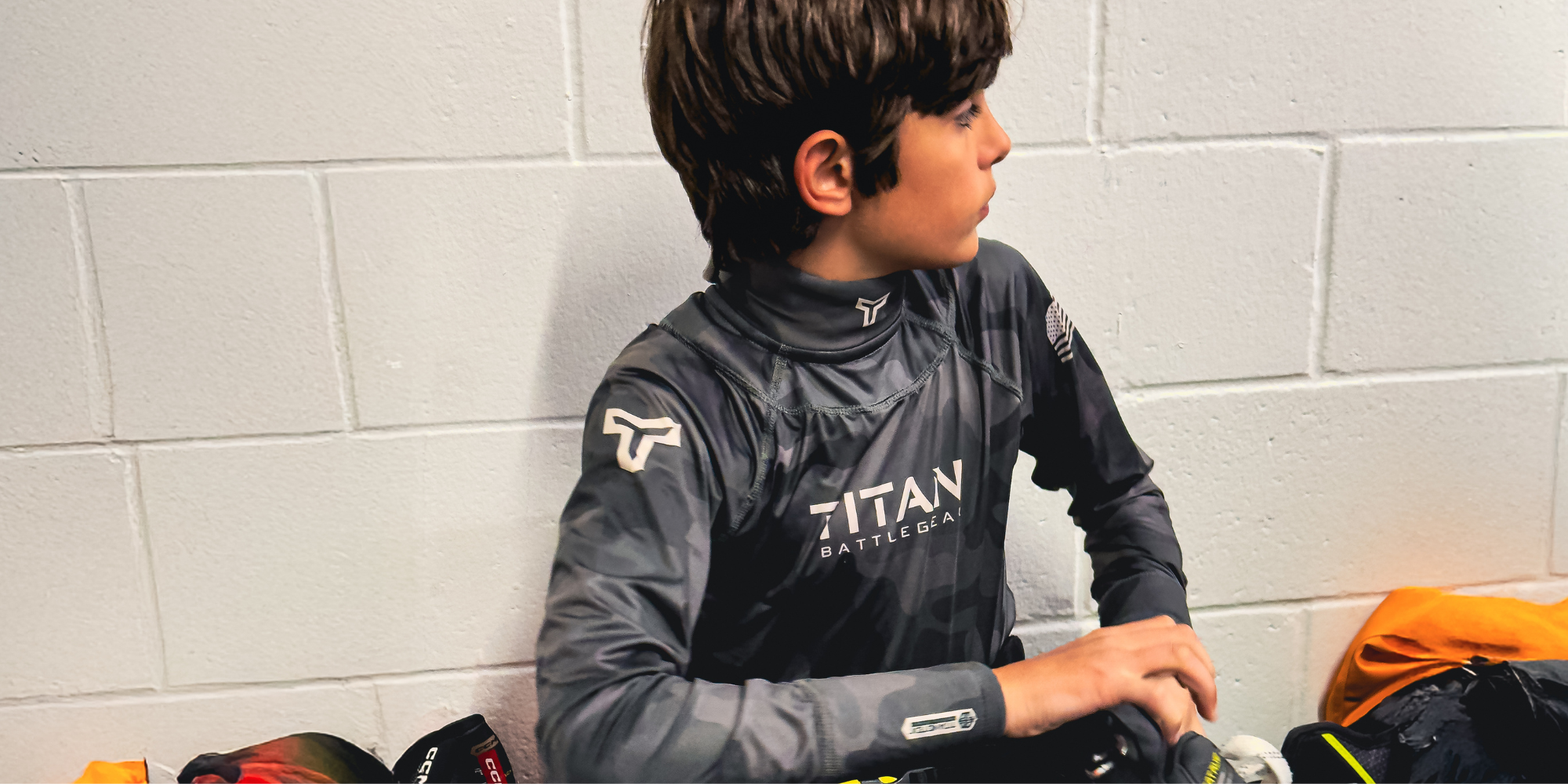
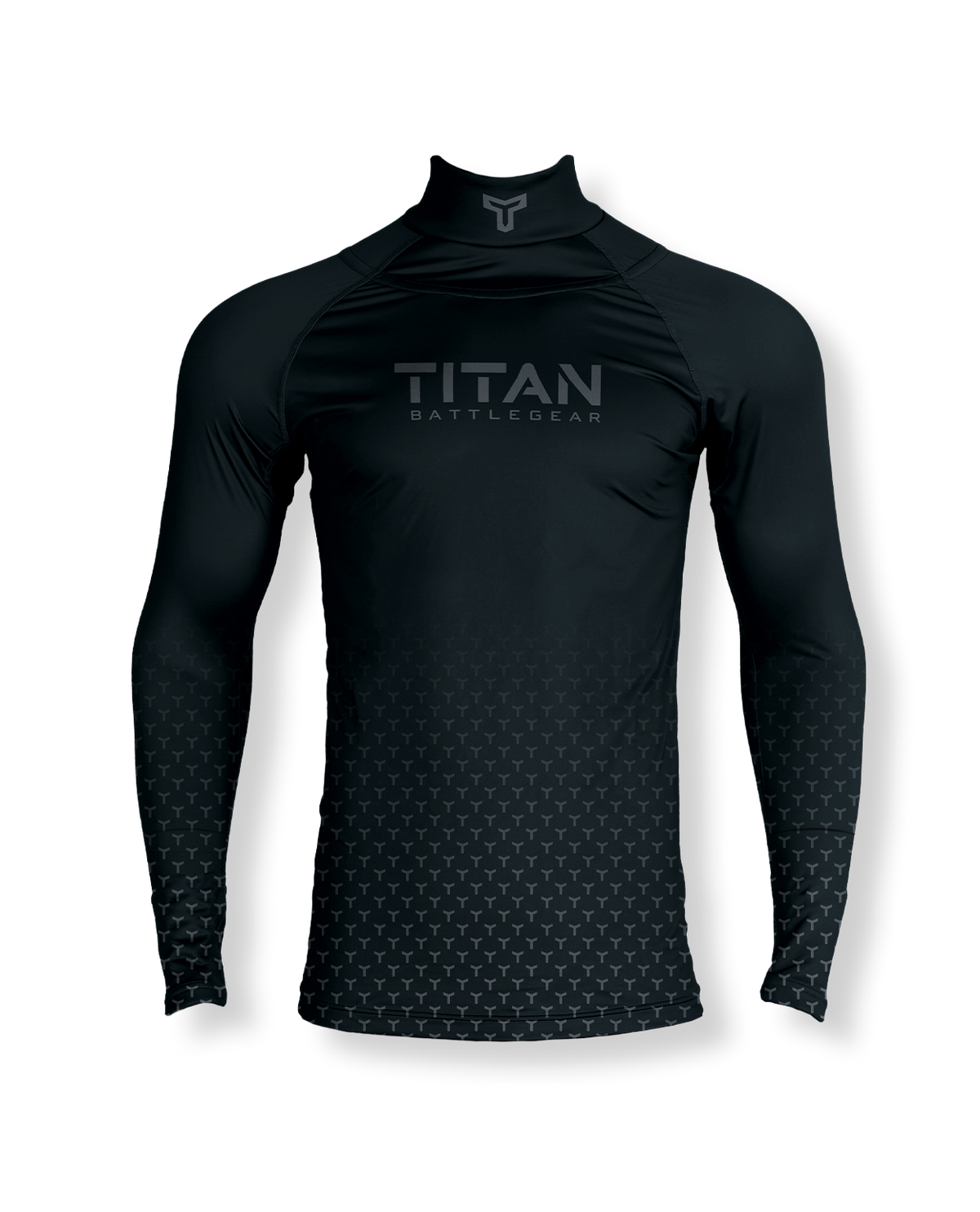
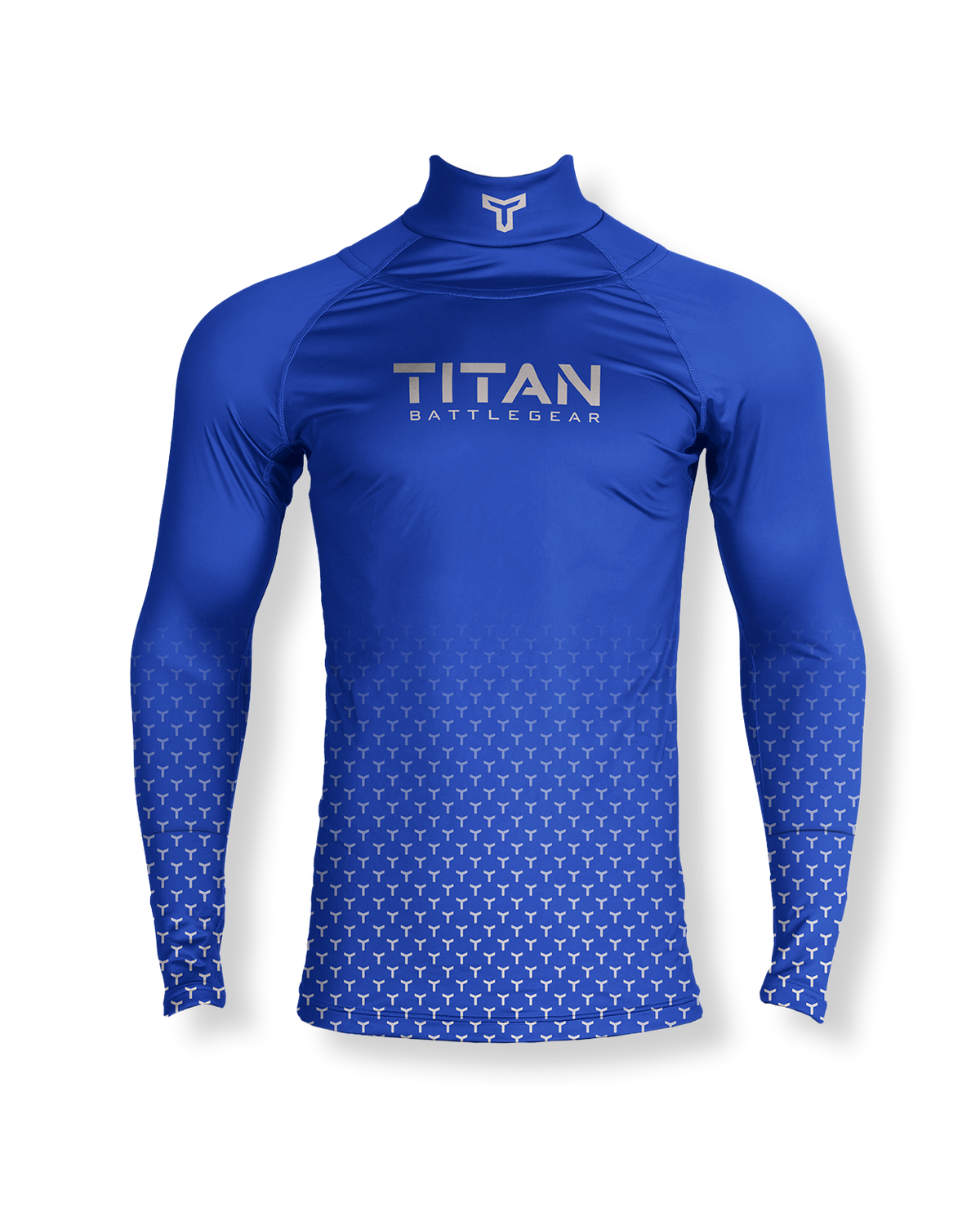
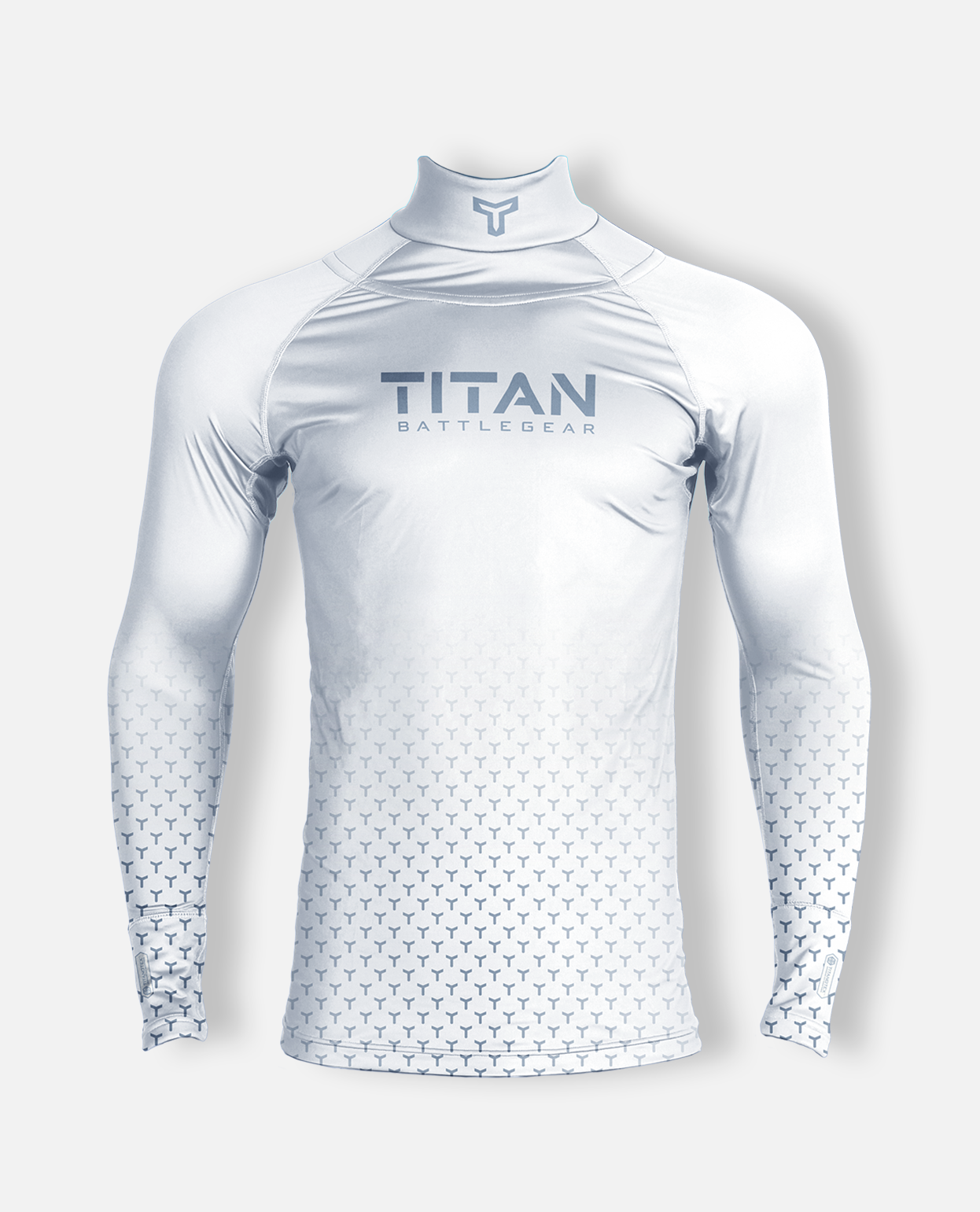
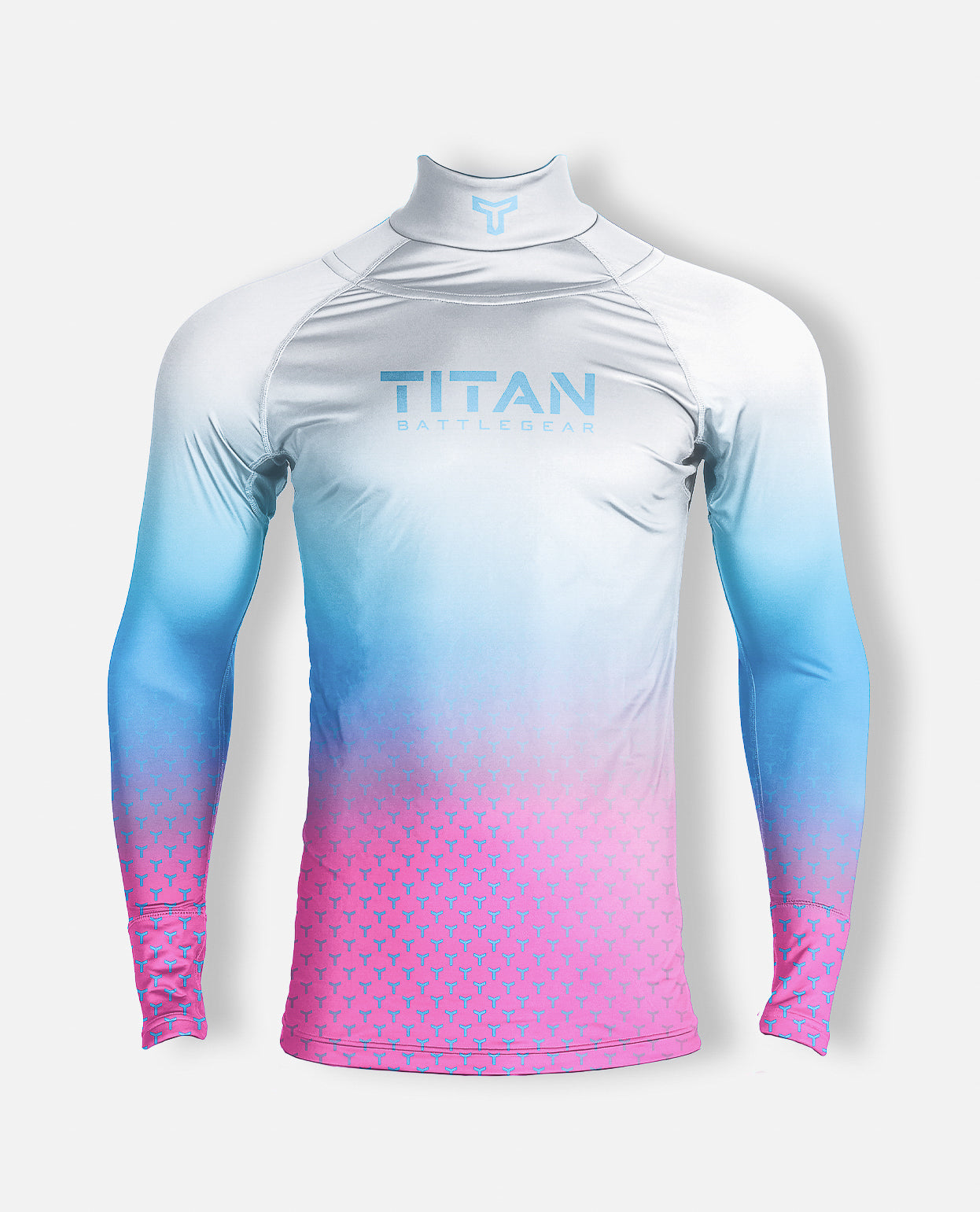
At Titan Battlegear, we’re redefining what it means to wear protective gear, ensuring that safety, comfort, and style go hand-in-hand. Our Battlegear collection isn’t just about protection—it’s about looking and feeling your best on the ice. With five bold color options as dynamic as your game, and a contoured collar design that solves the common issues of restriction of movement, heat, and discomfort, you’ll not only be protected but also look sharp doing it.
But the benefits don’t stop at aesthetics. Our neck and wrist guards, made with our proprietary TITANOTEX™️ fabric, provide unparalleled cut resistance that exceeds Level A9—the highest possible rating. In rigorous testing with a Tomodynamometer, our material stood strong, even beyond the bounds of standard testing, remaining fully intact after multiple cuts. This means that with Titan Battlegear, you’re equipped with the safest and most advanced protective gear in hockey, without any compromise on comfort or style.
Conclusion
The decision not to wear a neck guard in hockey is influenced by a variety of factors, from comfort and performance concerns to cultural resistance and the perception of risk. However, as technology continues to advance and awareness of the risks grows, there may be a shift in how players view neck guards. At Titan Battlegear, we’re leading the charge in developing neck protection that players actually want to wear, helping to bridge the gap between safety and performance.
For more information on our products and to explore the latest in hockey safety gear, visit our cut-resistant technology page.